

The truth about lighthouses
We are taught that every beacon was built merely to guide ships safely past jagged rocks, but genuine inquiry demands a deeper look. From towers situated inland far from breaking waves to antique architectural features designed to channel atmospheric electrical currents, explore what history may have been hidden and consider how these structures truly operated.

Beacons beyond the shoreline
Across the world, numerous historical towers designated as lighthouses stand miles away from navigable waterways or modern maritime routes.
When we look past the conventional explanations given in textbooks, these inland structures reveal intricate stoneworks, vertical alignment, and elevations that point, to me, towards civic lighting and regional atmospheric connections rather than ocean seafaring.
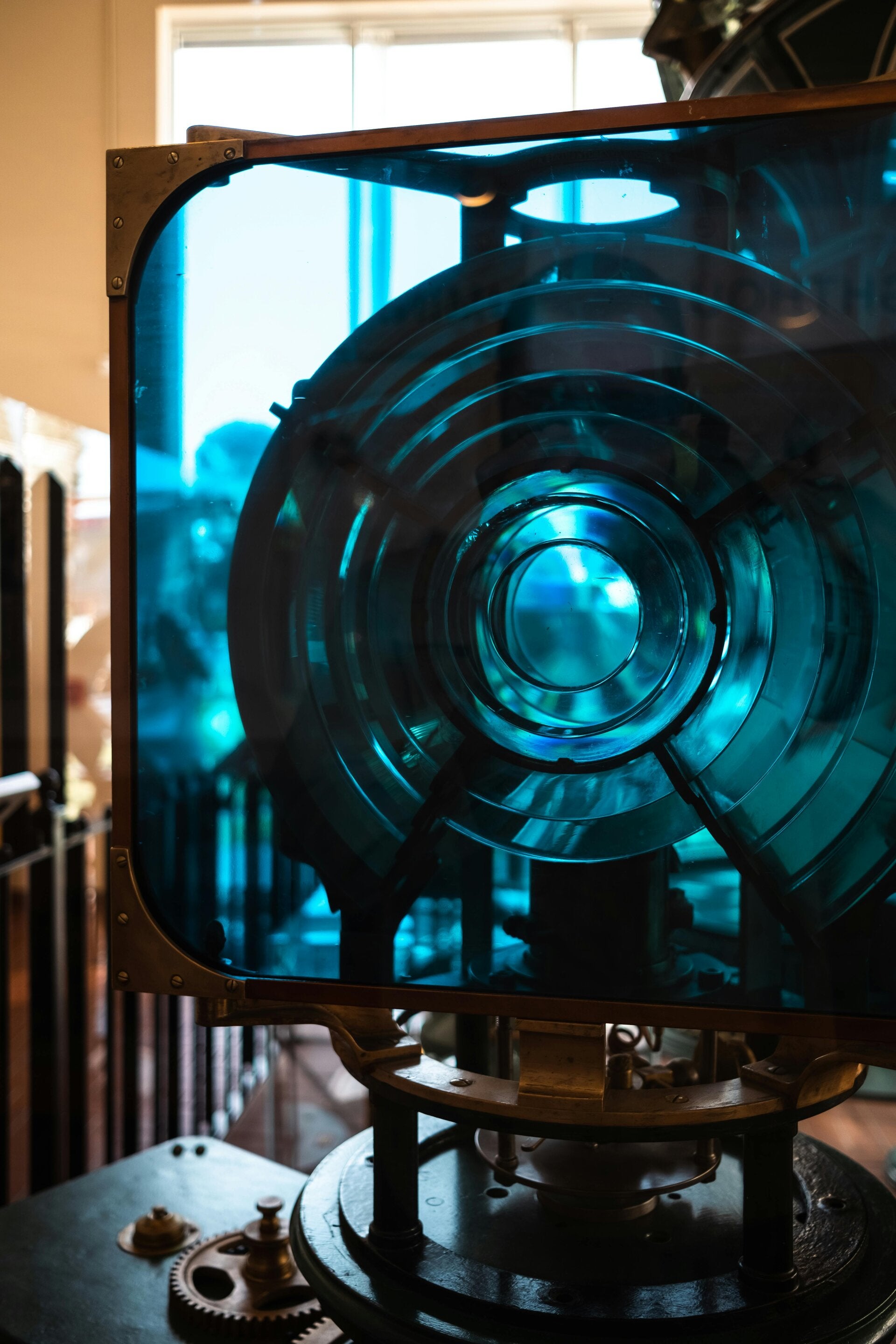
Harnessing natural aetha and natural light?
Were antique towers constructed primarily to capture ambient energy from the aetha and disperse illumination across communal settlements? Long before the conventionally powered lamps, and modern grids became standard?
Monumental towers incorporated metals, domes, and crystalline lenses, which appear to Me, to have been designed to draw from the Earth's atmospheric charges to radiate constant, clean luminescence for surrounding communities 🤔

Connecting towers and pyramid power
Understanding the architecture of light opens the door to reconsidering the monuments of antiquity.
The structural geometry seen in ancient beacons mirrors the resonance principles of great megaliths to me.
If exploring the true legacy of these towers makes you rethink standard history, why not continue your investigations by reading My educational theory about the pyramids.