

The Colosseum: A monument of mystery
Step into the arena of ancient history and question everything you thought you knew about one of the world's most iconic structures. Was it truly built for entertainment, or does a deeper truth lie beneath its weathered stones? Why not join in by exploring the secrets of the Colosseum.
Unveiling the true scale and age
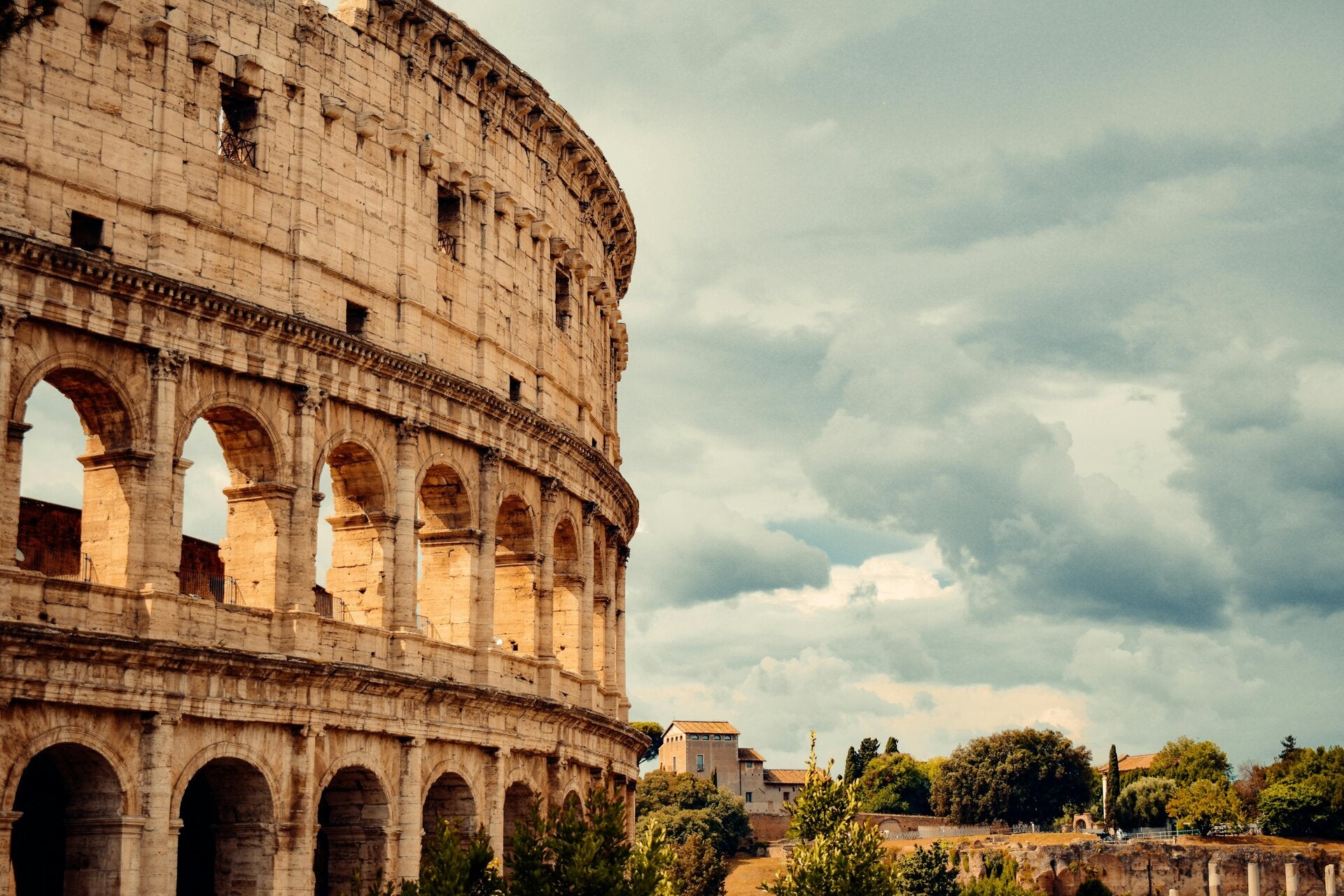
Originally named ' The Flavian Amphitheatre', but then renamed as 'The Colosseum', stands as a testament to ancient engineering.
Located just east of the Roman Forum, this colossal structure measures approximately 189 metres long, 156 metres wide, and 50 metres high. It boasts over 80 entrances, to a seating area for 80,000 people allowing for the rapid entry and exit of tens of thousands of spectators.
While commonly dated to around 70-80 AD, its construction, and the sheer scale of the undertaking raise fascinating questions with me about the advanced knowledge and technology required to build such a marvel.
Just consider its true age, and the real civilizations that might have built it, and why?
Beyond entertainment: A hidden narrative?
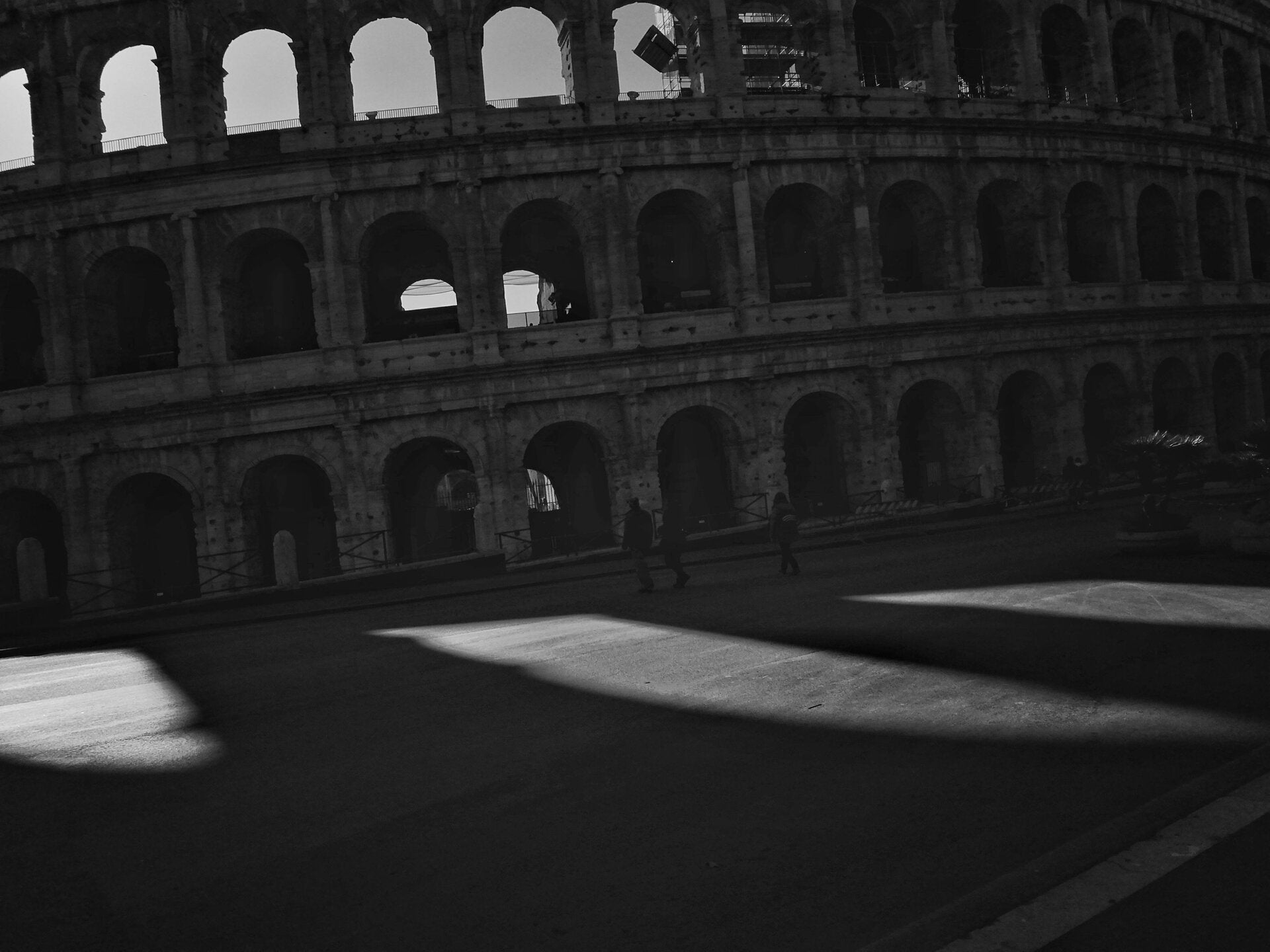
For centuries, we have been told that the Colosseum was primarily a venue for gladiatorial contests, animal hunts, and public spectacles.
But is this really the complete picture, or have we been presented with a simplified, convenient narrative?
Through RealEd, I encourage you to dig deeper: what if its true purpose was actually more complex, maybe serving as a symbolic structure, or a feat of engineering for other uses, or even a testament to knowledge systems we no longer fully comprehend?
I invite everyone to explore these possibilities and question the accepted historical accounts.
Whose hands truly shaped this marvel?
The conventional history credits the Roman Empire with the construction of the Colosseum.
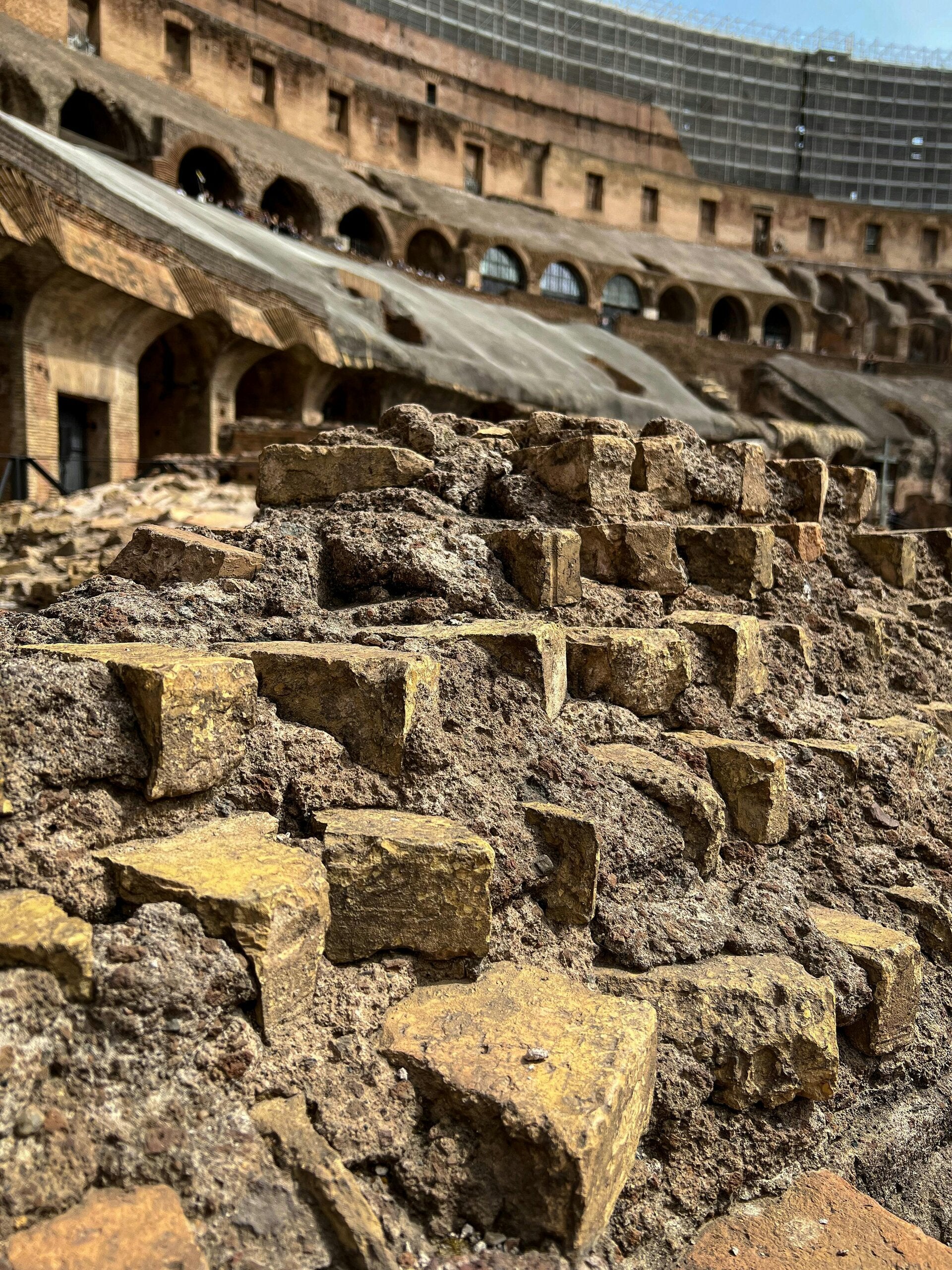
However, the advanced techniques, scale, and materials used in its creation have led many to question whether another, perhaps forgotten, civilisation played a pivotal role.
Could there be evidence of older knowledge, different technologies, or even unknown influences in its design and execution?
I beleve that this subject is a good page for critical thinkers, history enthusiasts, and anyone curious enough to challenge the mainstream and explore alternative theories. So why not join in discovering the true architects of this magnificent structure.