

Unveiling the science of melanin
Discover the fascinating world of melanin, its vital role in our bodies, and how external forces shape its presence. Join us in exploring the depths of this natural pigment.
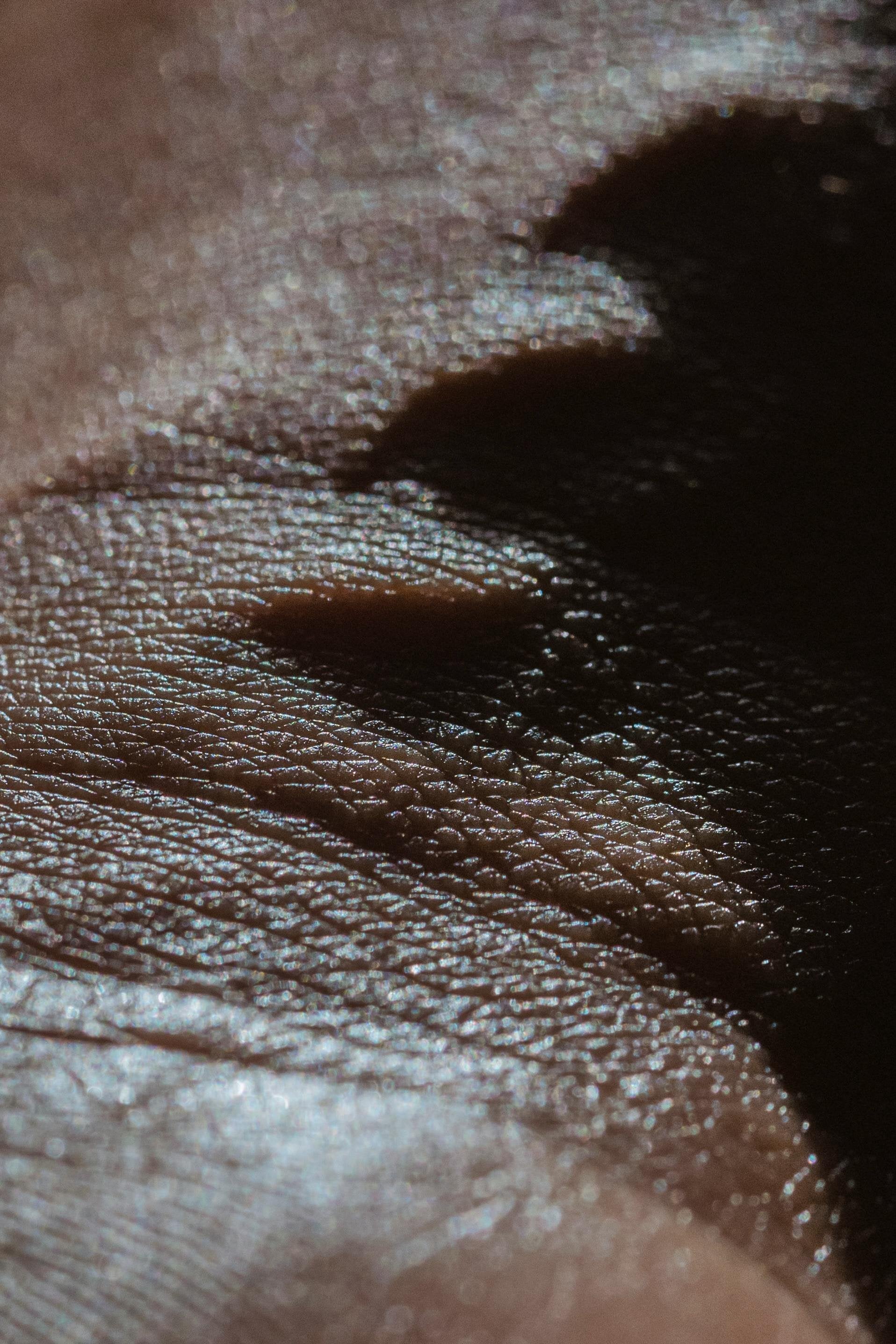
What exactly is melanin?
Melanin is a natural pigment found in most organisms.
In humans it's responsible for the colour of our skin, our hair, and our eyes.
It plays a crucial role in protecting our bodies from the sun's harmful ultraviolet (UV) radiation.
Understanding melanin is key to appreciating the complexities of human biology and environmental interaction.
I hope to provide a simple start point for everyone, from the inquisitive minded aiming to prevail by researching and studying more, to those who are just curious about their own bodies.

Melanin's universal presence
Whether you're interested in Biology, or simply wanting to understand your own body better, this page is for everyone.
The science of melanin is universally relevant. It addresses the fundamental question of what melanin is and why it matters to each of us, regardless of background or prior knowledge.
My goal is to make complex biological concepts appear more easily accessible and engaging if wanted.

The weather influences your melanin
The amount of melanin in our skin is significantly impacted by environmental factors, especially sunlight.
Exposure to UV radiation stimulates melanin production, leading to tanning, which is the body's natural defence mechanism.
"Don't forget your sunscreen" became a popular saying decades ago, but was this an attempt to rid the world of blue eyed humans maybe?
However, I also touch on some more scientific truths about why we see blue eyes, and blue skies on my page RAYLEIGH SCATTERING
After exploring this page, I encourage you to consider how weather impacts your melanin levels and, importantly, to remember your sunscreen. Understanding this connection can help you make informed decisions about sun protection.
Could this be the reason for Brown eyed people being found in country's nearer to the equator, and the appearance of BLUE EYES found in countries further North & South of the equator?