

Unveiling the myth of Europa
Delve into the ancient Greek myth of Europa and discover its powerful symbolism, connecting classical narratives to the modern political landscape of the European Union. Explore how this timeless story can offer insights into contemporary European institutions and their unspoken influences.
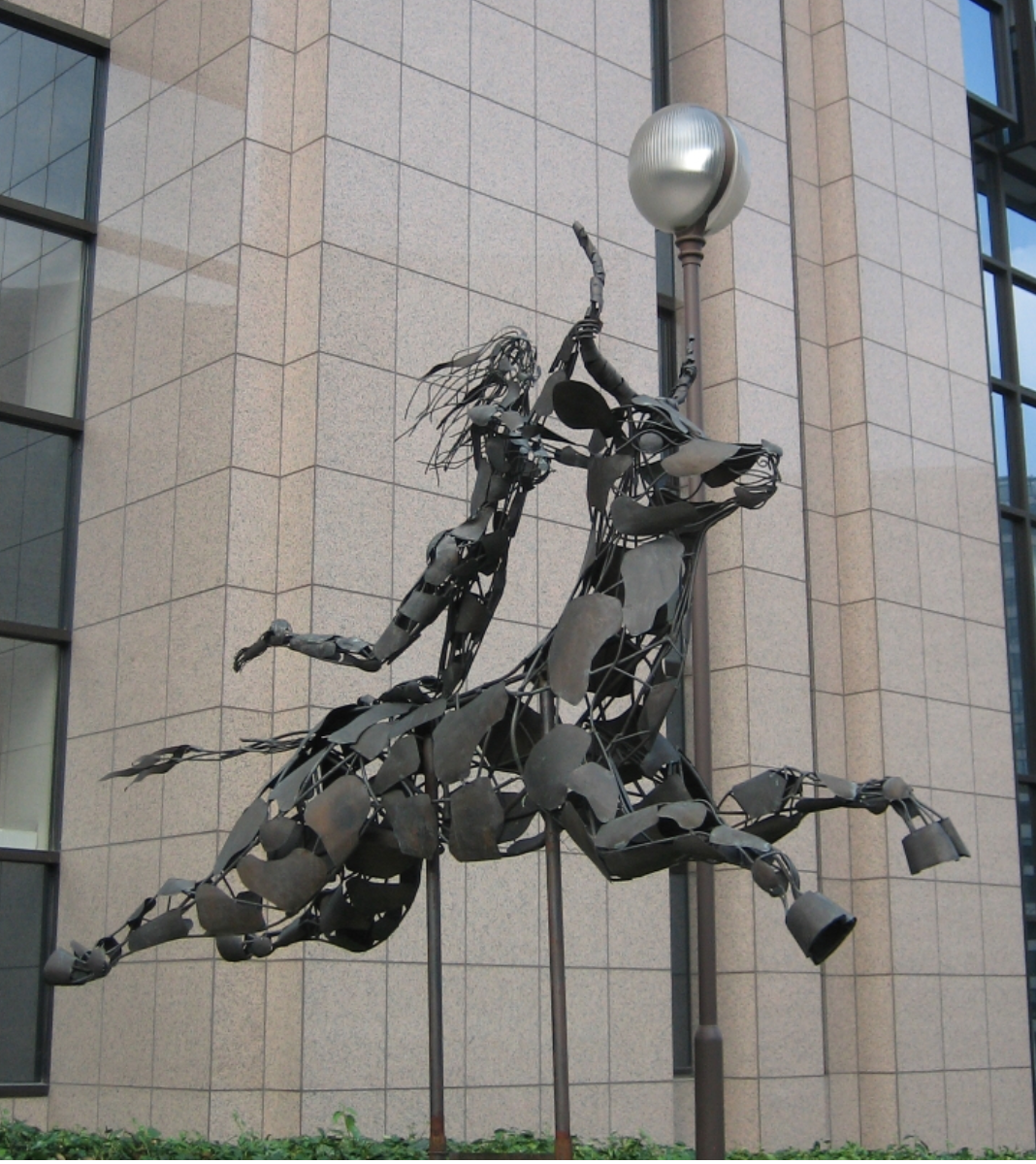
The ancient tale of Europa
Journey back to ancient Greece and explore the captivating myth of Europa. This foundational story, rich in symbolism and intrigue, tells of Zeus's transformation into a bull to abduct the Phoenician princess Europa, carrying her across the sea to Crete. Beyond a simple narrative, this myth has resonated through centuries, offering layers of meaning about power, abduction, and the origins of a continent, so maybe ask yourself why the statue (pictured left) is outside the EUPrliament building in Brussels today🤔
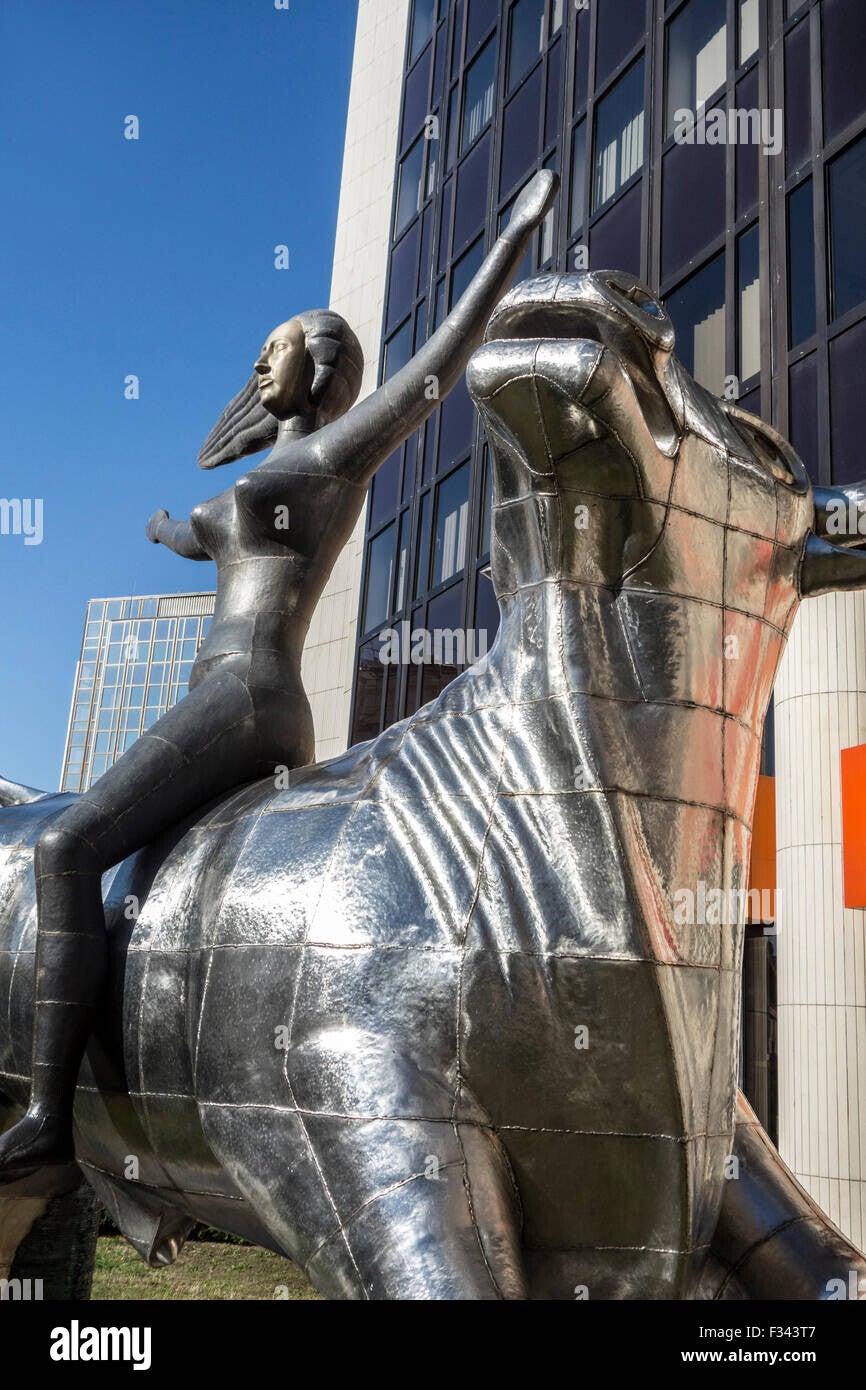
Symbols in plain sight?
Have you ever noticed the prominent statues of bulls outside the European Parliament in Brussels and the Council of Europe in Strasbourg? These powerful sculptures are not merely decorative. They are direct references to the myth of Europa and Zeus as the bull. For all visitors, understanding this connection is crucial to uncovering a deeper layer of symbolism within European political architecture. So maybe ask yourself why the statue (pictured right) is outside the EU headquarters building in Strasbourg, and one more thought: why does the architecture used on the EU Strasbourg building, resemble historic paintings of the Tower of Babel?
What do these choices communicate about the origins and influences, but more importantly, the intentions behind this institution?
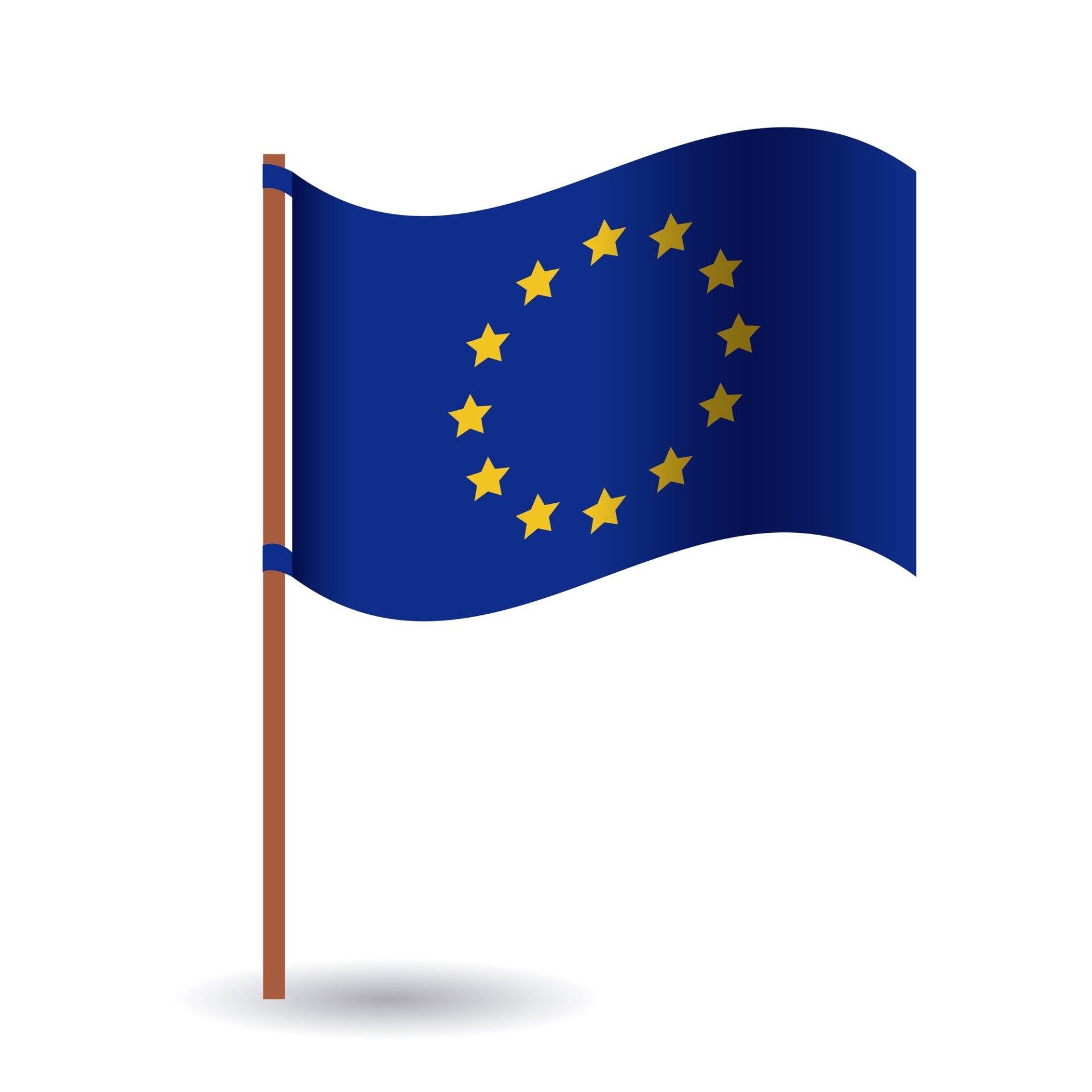
Who truly runs the EU?
There appears to be a very clear clue in the EU flag.
Why yellow stars? And why 12 of them?
There's not 12 member states, but if you think 'biblically' you will find the 12 tribes of ....... referenced.
A certain race of poeple were made to advertise their background during WW2 by wearing yellow star badges on their clothes in Germany.
The presence of these powerful, yet often overlooked symbols, really prompts an essential question:
Who truly holds the reins of power within the European Union? Who is trying to recreate this historically famous greek myth?
I invite everyone to critically analyse the narratives presented by what we are told, are governing bodies.