

Understanding polypropylene
Delve into the world of polypropylene with RealEd. With this page, I provide a look at one of the most common plastics, its scientific properties, and crucial recycling methods. Join Me &> explore how this material impacts our daily lives and environment.
What is polypropylene?
Polypropylene (PP) is a thermoplastic polymer, a material that can be melted and reformed multiple times without significant degradation. It is a rugged and versatile material, belonging to the group of polyolefins, which are polymers made from simple olefins (alkenes) as monomers. Its chemical formula is (C3H6)n. PP is produced via chain-growth polymerisation from the monomer propylene. It is renowned for its excellent chemical resistance, high fatigue strength, good insulation properties, and relatively low cost, making it a popular choice across various industries. From packaging and automotive components to textiles and medical devices, PP's unique balance of properties makes it indispensable.
Why does polypropylene matter?
For those new to the world of materials and sustainability, understanding polypropylene is a fantastic starting point. As one of the most widely used plastics globally, its presence in everyday items is undeniable. Learning about PP will not only introduce you to fundamental concepts of polymer science but also equip you with knowledge to make more informed choices as a consumer. This page is written for beginners, but of course more research will provide more detail.

The intricate process of polypropylene recycling
Recycling polypropylene is a multi-step process. Firstly, PP waste is collected and sorted, often identified by the recycling symbol #5. Contamination is a significant challenge, so thorough cleaning is essential to remove food residues, labels, and other materials. Once cleaned, the plastic is shredded into flakes, which are then washed again. These flakes are then melted down and extruded into pellets. These pellets, known as "regrind," can be used to manufacture new products, reducing the demand for virgin plastic. Advances in chemical recycling are also emerging, breaking down PP polymers into their basic monomers, which can then be repolymerised into new, high-quality plastic. Understanding this process highlights the importance of proper waste segregation at home.
Polypropylene in your daily life
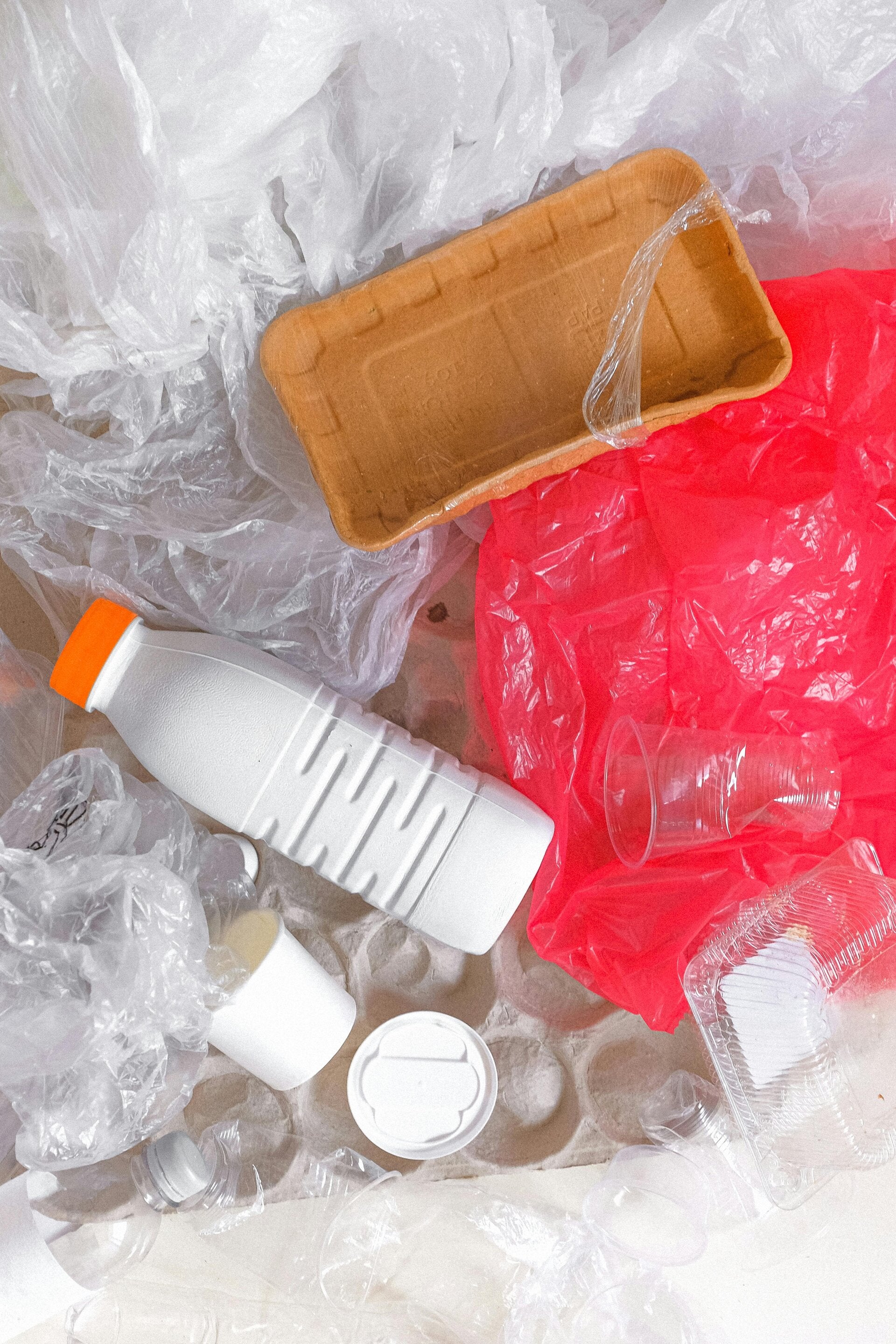
Polypropylene is often found in surprising places, particularly in packaging. Many "cardboard" cartons, especially those designed for liquids or to be more robust, incorporate a thin layer of polypropylene. This plastic coating provides a moisture barrier, protecting the cardboard and preserving the contents. This crucial detail is often overlooked, but understanding it helps in recognising the pervasive nature of PP.