

Unravelling television waves
Welcome to a deeper understanding of how television works. Here at RealEd, I believe in truly educating adults by exploring the fascinating science behind everyday phenomena. Join in, and journey into the atmosphere, uncovering the intricate dance of television waves.
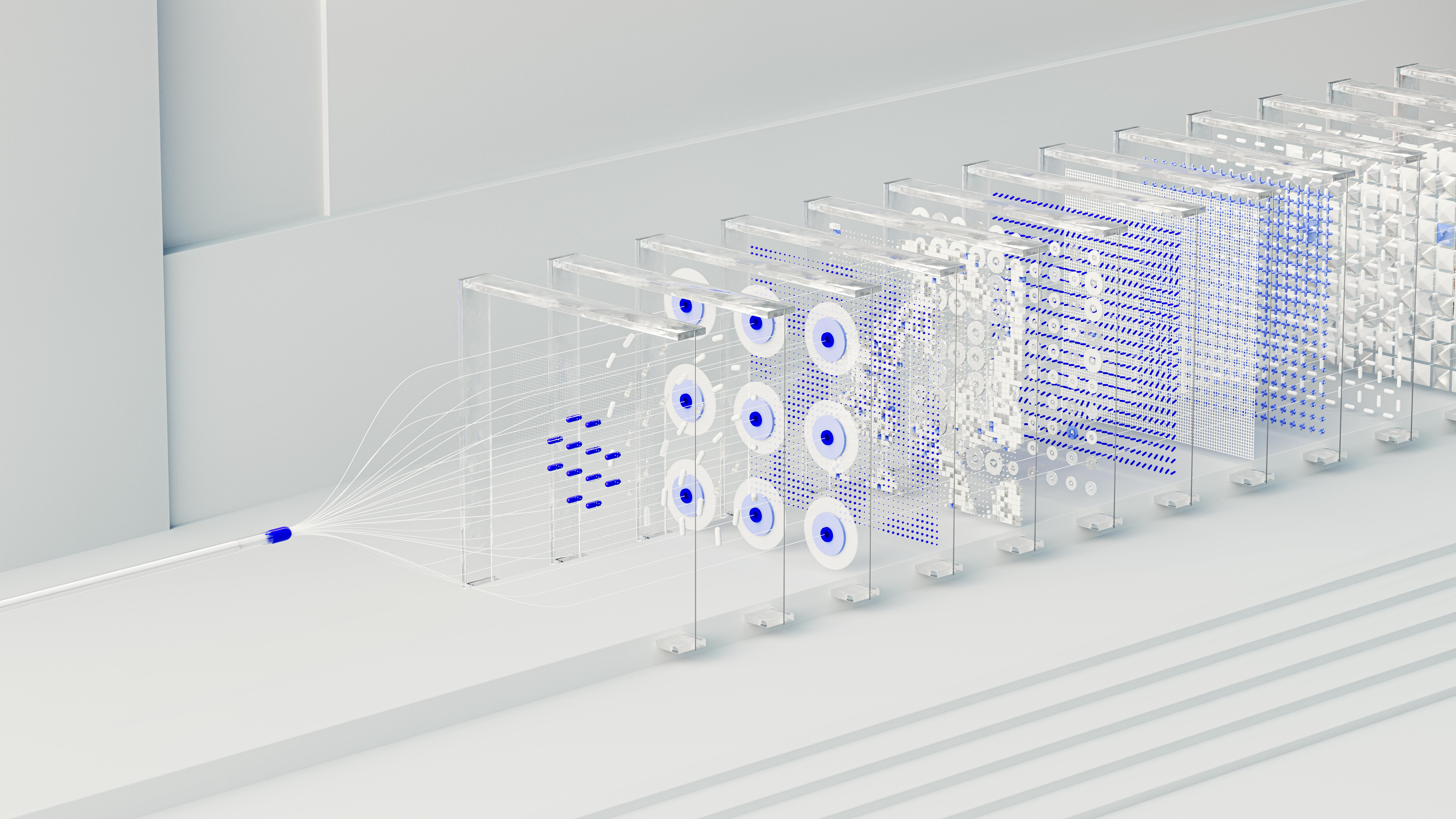
How television waves travel through our atmosphere
Television waves are a form of electromagnetic radiation, much like light or radio waves. However, their journey from transmitter to your screen is complex and heavily influenced by the very air around us. I have added some basic diagrams to help illustrate how these waves are sent, received, and how different atmospheric conditions can impact their path.

Atmospheric pressure and viewing clarity
Have you ever noticed your television signal becoming clearer, or more distorted on certain days? This isn't just a coincidence.
Atmospheric pressure does actially play a critical role in dictating the clarity of viewing.
Learn how high and low-pressure systems, temperature inversions, and other meteorological factors refract or absorb television signals, directly affecting your viewing experience.

The intrinsic link between radio and television waves
While often seen as separate technologies, radio and television waves share a fundamental connection.
Basically, both are part of the electromagnetic spectrum, differing primarily in their frequency and wavelength.
Explore how the pioneering work in radio transmission laid the groundwork for television broadcasting, and discover the scientific principles that unite these two powerful communication mediums.