

Exploring the invisible forces of Frequency
Pop into the fascinating world of waves and their profound impact on everything around us, especially within the context of life. Understand how sound, light, and atomic interactions better shape our understanding of everyday materials we see.

The dance of sound and light
Welcome to My brief exploration of Frequency . Have you ever wondered why we can easily hear sound, yet the light that surrounds us remains unseen? It all comes down to frequency and how different waves interact with our senses and the very fabric of matter. We know that the UNIVERSE operates on a frequency of 432 Hertz, which raises a simple question: Why was the sound of music increased from 432 Htz to 440 Htz in 1939, which changed human beings from being 'in tune' to 'out of tune' with the universe? Could this also account for the disappearance of THE BELLS?
I believe that learning more about these unseen forces, will also grow your understanding of how material degradation occurs all around us.
And finally, 4+3+2= 9. After reading this page pop over to my DIGITAL ROUTES page, armed with your first key to the universe.
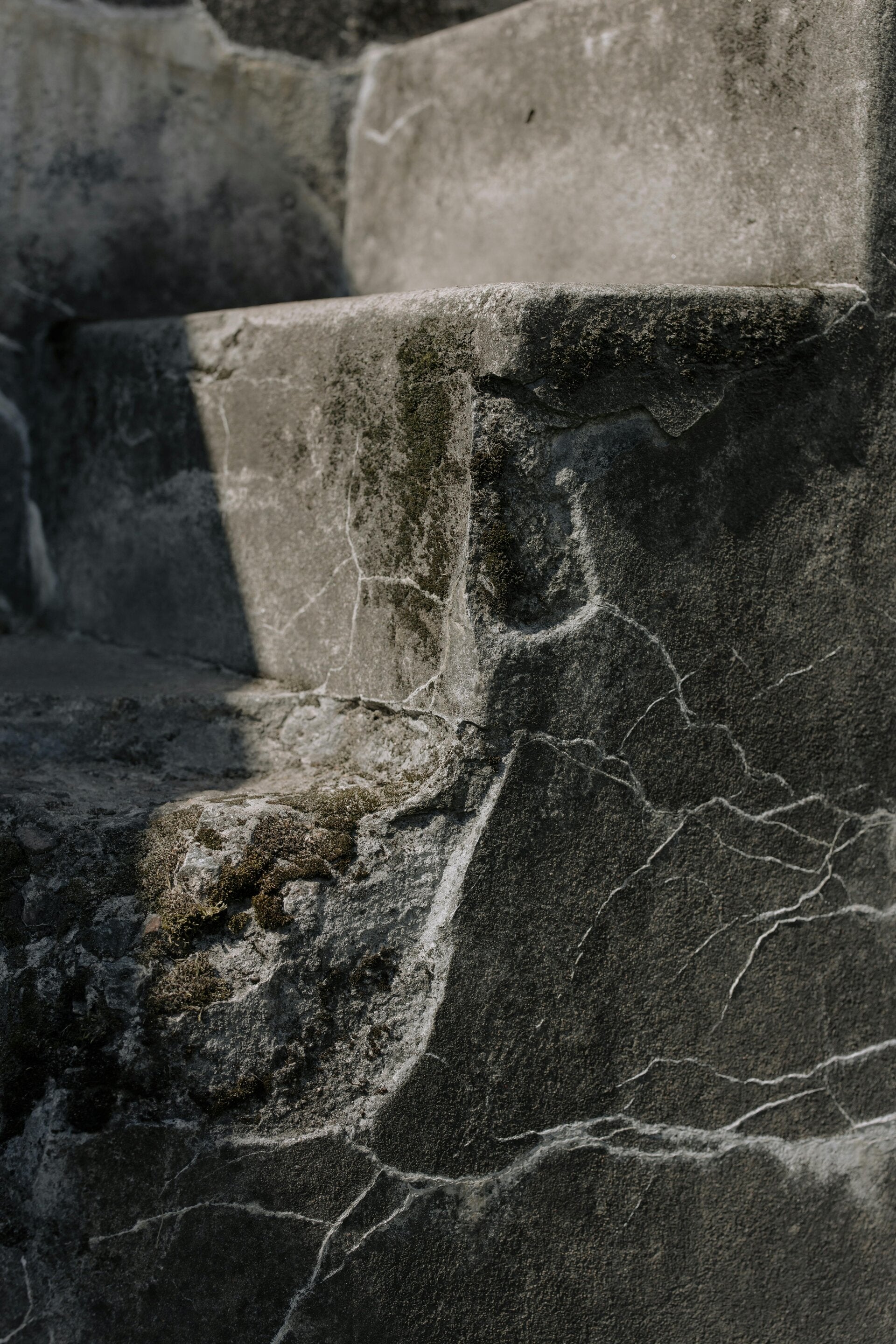
Atoms in action: Beyond the "solid" facade
For example, in my in Heritage conservation, understanding how sound waves and light waves affect atoms is paramount.
Everything, from the ancient timber beams to the meticulously crafted plasterwork, consists of atoms, which are in perpetual motion.
These vibrations and interactions dictate the properties of materials and how they will degrade over time.
I have always challenged common perceptions, showing that even in school science, "solids" don't exist because what we are told in our school science lessons, are in fact alive with atomic activity, so essentially, solids do not exist.
I am certainly not knocking Schools as they are indeed a great start point for learning sciences, where predominantly molecular science is looked into, however, there are so many other scientific avenues that will open up to you as life progresses 👍.

The illusion of solidity: A key insight for conservation
At an atomic level, all materials are dynamic, constantly vibrating and interacting.
This fundamental understanding really further helps to explain factors like humidity, temperature, and even sound vibrations can have significant impacts on the long-term stability of, for example, historic structures. I'm dedicated to helping the next generation keep real knowledge alive with these, too often overlooked, insights.
Next time you go into your bedroom, maybe shut the curtains, shut the door, and then lay on your bed and relax as you wonder why your "solid" walls, and door, keep the landing lights out of your room, but you have WiFi on your phone from the router downstairs, and you can hear voices from the next room
🤔 Think.