

Chairman Mao: a question of sanity
Delve into the controversial legacy of Chairman Mao, exploring some of his impactful decisions, and their profound consequences. Was he a visionary leader or was he just mad? Join Me as I review a pivotal moment in his history that raises questions about power, nature, and human judgment.
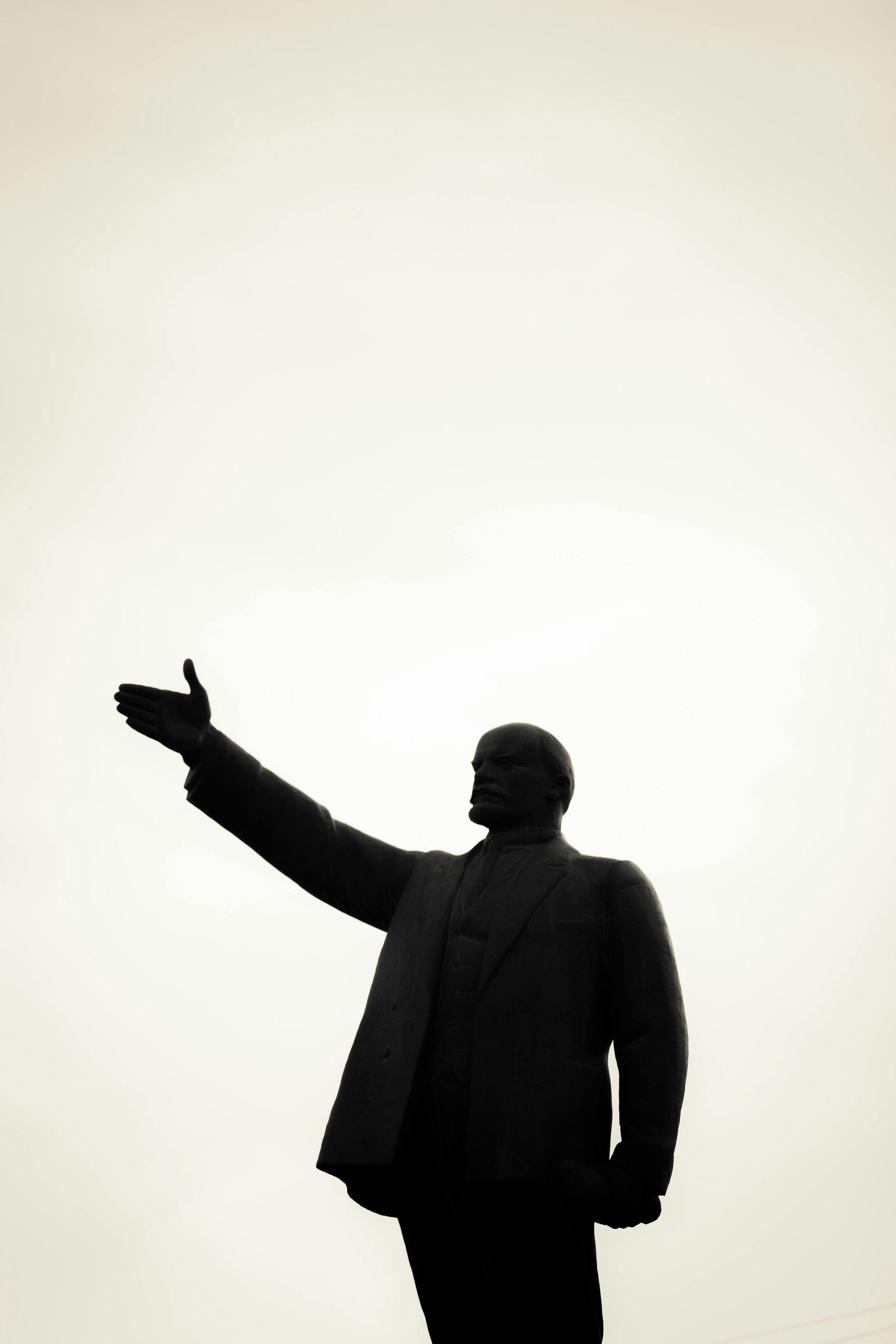
The leader's decree
Chairman Mao's rule was marked by a series of radical policies, but perhaps none as ecologically disastrous as the Great Sparrow Campaign.
In his attempt to boost agricultural output, Mao declared sparrows to be pests, accusing them of consuming vast quantities of grain.
This decree led to a nationwide mobilisation, with citizens encouraged to kill sparrows by any means necessary. But was this a calculated move or a catastrophic miscalculation?

The unwanted consequences
The campaign initially appeared successful, with sparrow populations drastically reduced. However, the true impact soon became horrifyingly clear.
Sparrows, it turned out, ate more than just grain; they also preyed on locusts and other insects that consumed crops for humans, and without the spattows, the insects natural predators, insect populations exploded.
This lead to even greater crop devastation and contributed significantly to the Great Chinese Famine.
So of course, this period rightfully serves as a stark reminder of the delicate balance of ecosystems, but after Mao had to buy in 2,000,000 sparrows from Russia, to me it further supports My advice about "the assumptive mind fails"

The bear that eats, shoots, and leaves.
The title is from an old gag, and one I won't be covering here.
But the bear that does in fact spend 23hrs per day eating bamboo, also raises some more questions about China.
Have a look HERE.