

Cobwebs versus spiderwebs

Here's a common misconception, that I found, clouds our everyday language. While every spiderweb can eventually become a cobweb, not all cobwebs are active spiderwebs. Let us look closer at how silk, abandonment, and dust transform nature's architecture.
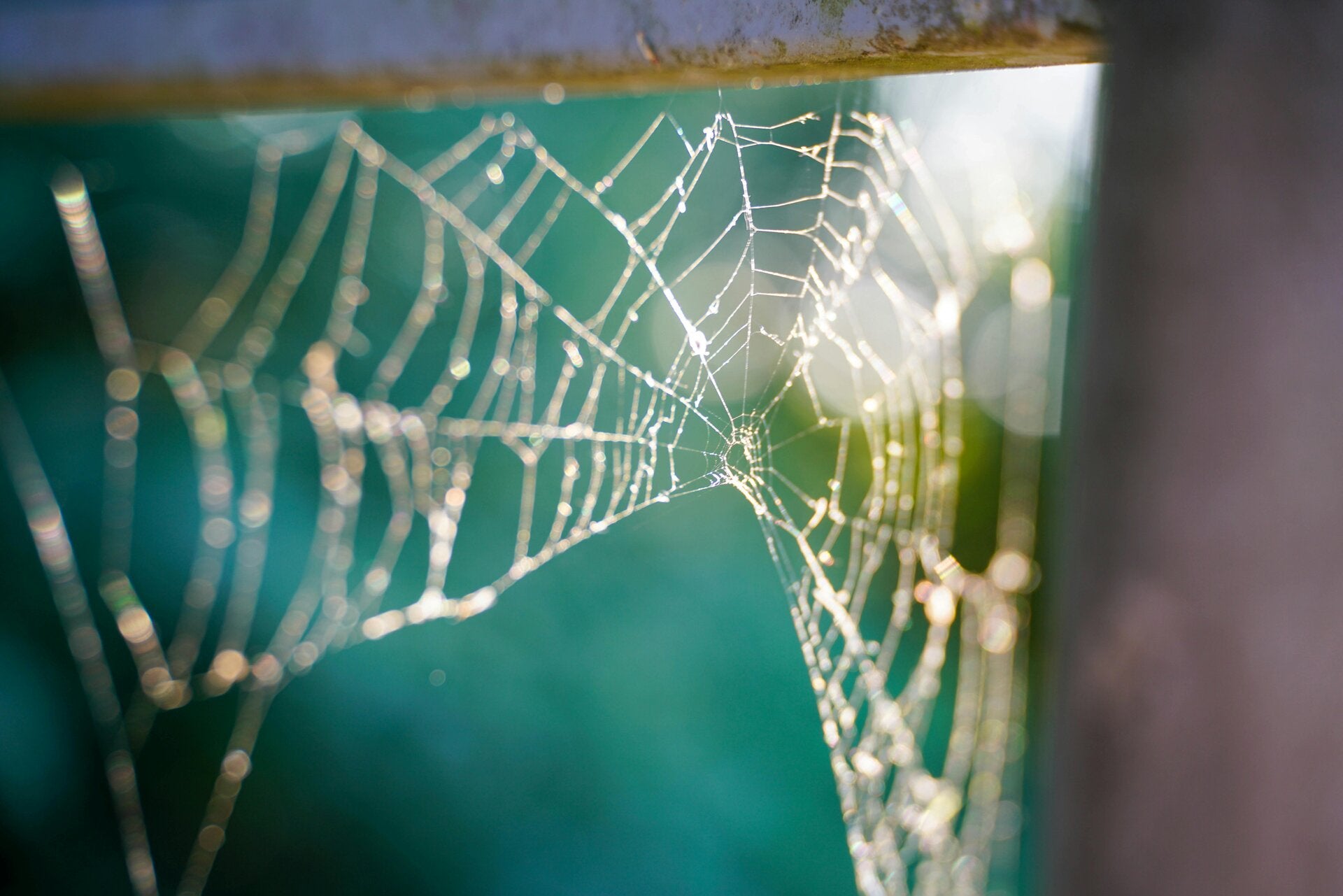
Active spiderwebs: intentional architecture
A true spiderweb is an active, carefully engineered hunting apparatus. Spiders construct these intricate silk structures—ranging from circular 'orb' webs, to funnel sheets—specifically to trap prey.
Kept clean and maintained daily by its maker, an active web is dynamic, sticky, and free from debris, helping to ensure high food standards for spiders!
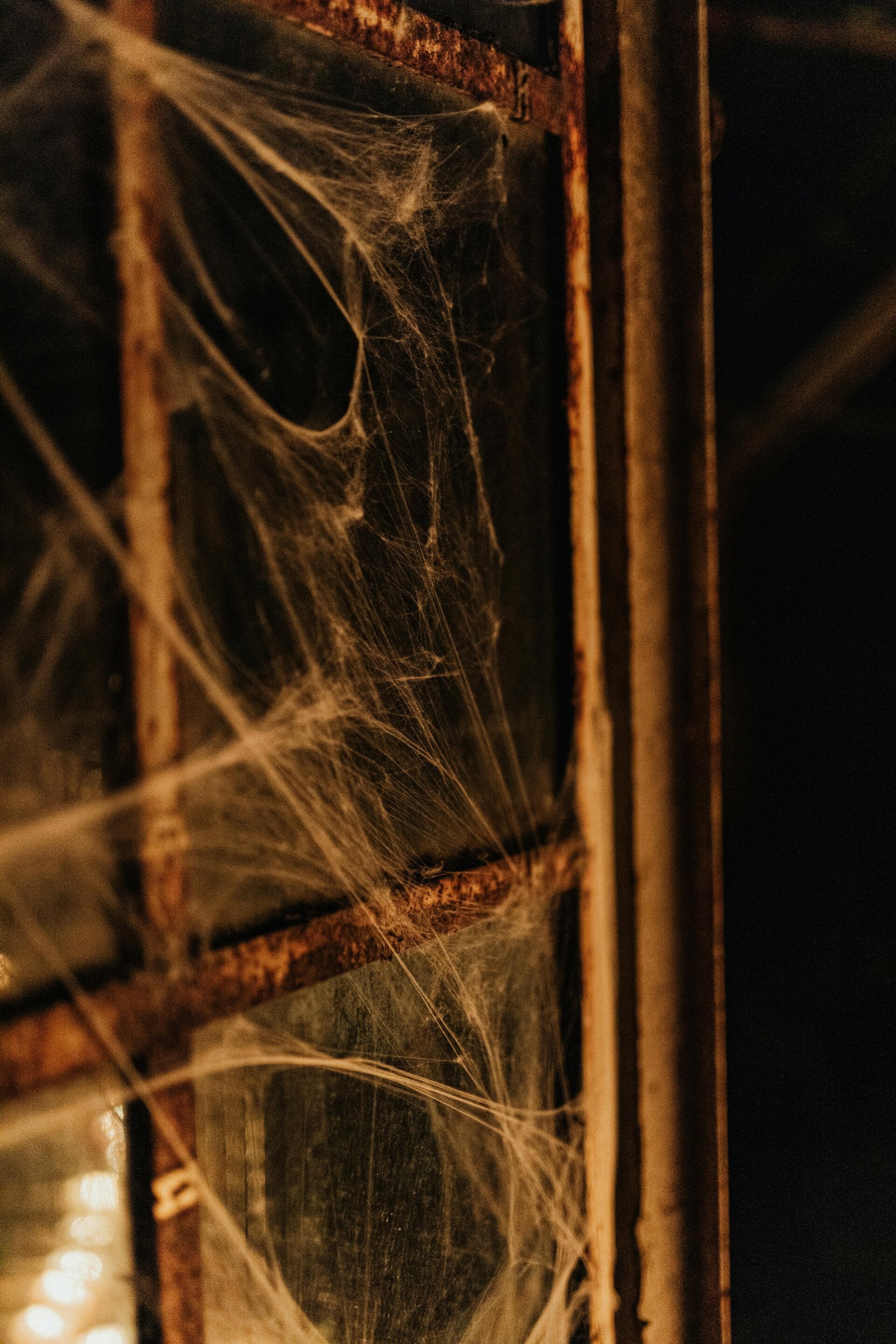
Cobwebs: the relics left behind
Cobwebs are either the abandoned ruins of past spiderwebs or the chaotic tangles created by specific cobweb spiders, known bioligically as theridiidae spiders.
Once a spider vacates its home, the silk loses its natural stickiness and begins collecting airborne dust, lint, and loose fibres, turning delicate threads into heavy, visible strands.
And the food standards council safety officers finally shut that restaurant down! 🤣

What difference does it make?
Language shapes how we perceive the living world.
All spiderwebs have the potential to decay into cobwebs, but in plain terms, this means that cobwebs are fundamentally defined by neglect, dust, and time, and therefore cannot become spiderwebs
Developing an inquisitive mind starts with observing simple distinctions right in front of us—keep observing and keep on learning 👍