Magna Carta: lawful versus legal
Have you ever heard the phrase "it's against the law" and wondered what that truly means? This page delves into the Magna Carta, exploring the critical difference between what is lawful and what is merely legal. Prepare to challenge your perceptions and gain a deeper understanding of fundamental rights.
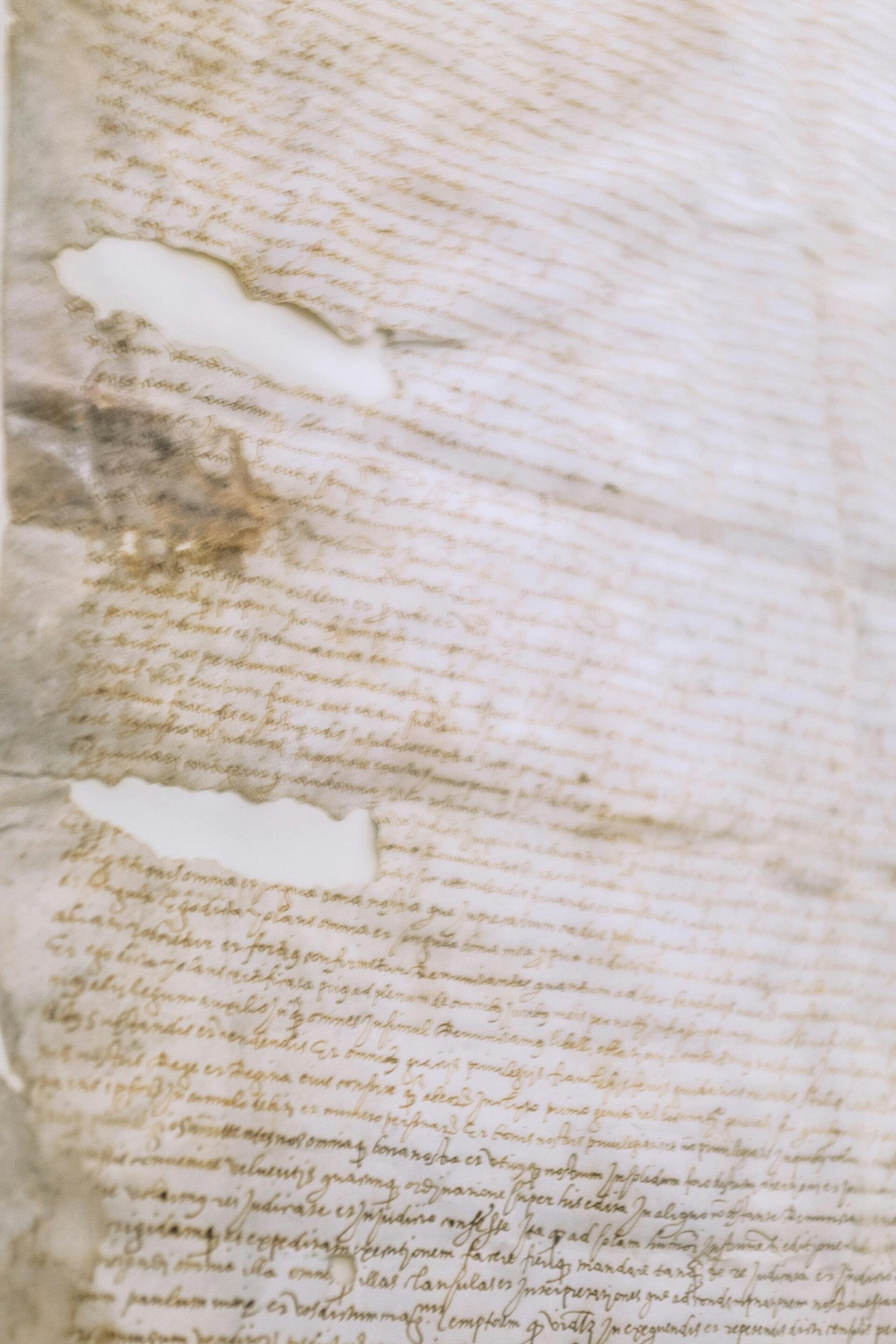
Unpacking "lawful" versus "legal"
The Magna Carta, a charter of rights agreed to by King John of England, at Runnymede in 1215, stands as a cornerstone of liberty in the UK. But what does it truly signify in today's world, especially when we talk about what is "lawful" versus what is "legal"? This distinction is crucial for everyone, as it touches upon fundamental freedoms and governmental authority. I can only plant the seed, it's up to you to grow the plant, making complex historical and legal ideas more understood to all.

Why the Magna Carta still matters
The principles embedded within the Magna Carta continue to influence constitutional law across the globe. Understanding its original intent helps us to discern when, and if an act is genuinely lawful, adhering to universal principles of justice, versus merely legal, meaning it conforms to specific statutes or regulations that may or may not be just. This page is for everyone who seeks to understand their rights and the true nature of power.

Challenge your perceptions of the law
After engaging with these brief insights into the Magna Carta, you'll be equipped to question common assumptions about legal pronouncements. I hope to leave you feeling informed, inspired, and deeply curious for more. Are you ready to discover more of why the police often state "Acts" (for example: "section 165 of the road traffic "act" but not "Law"? Further research and studying will truly deepen your journey into understanding what is against the, law, and why.