

Explore the wonders of your brain, in a nutshell 🤣
I created RealEd because I believe in nurturing educated adults by understanding the incredible organ that makes us who we are: your brain. This page is dedicated to helping students like you uncover the mysteries of the human brain, exploring its intricate workings and the vital roles each part plays.

Understanding your brain
People today seem very aware that their car has a "brain" that controls all the fancy gadgets so they can brag about how clever and rich they are. Why?
The human brain is far superior, yet few understand it!
It's the command centre of your entire body, responsible for everything you think, feel, and do. It's an incredibly complex organ, but by breaking it down into its main parts, we can begin to understand its amazing capabilities. From controlling your movements, to processing emotions and memories, each section has a crucial job.
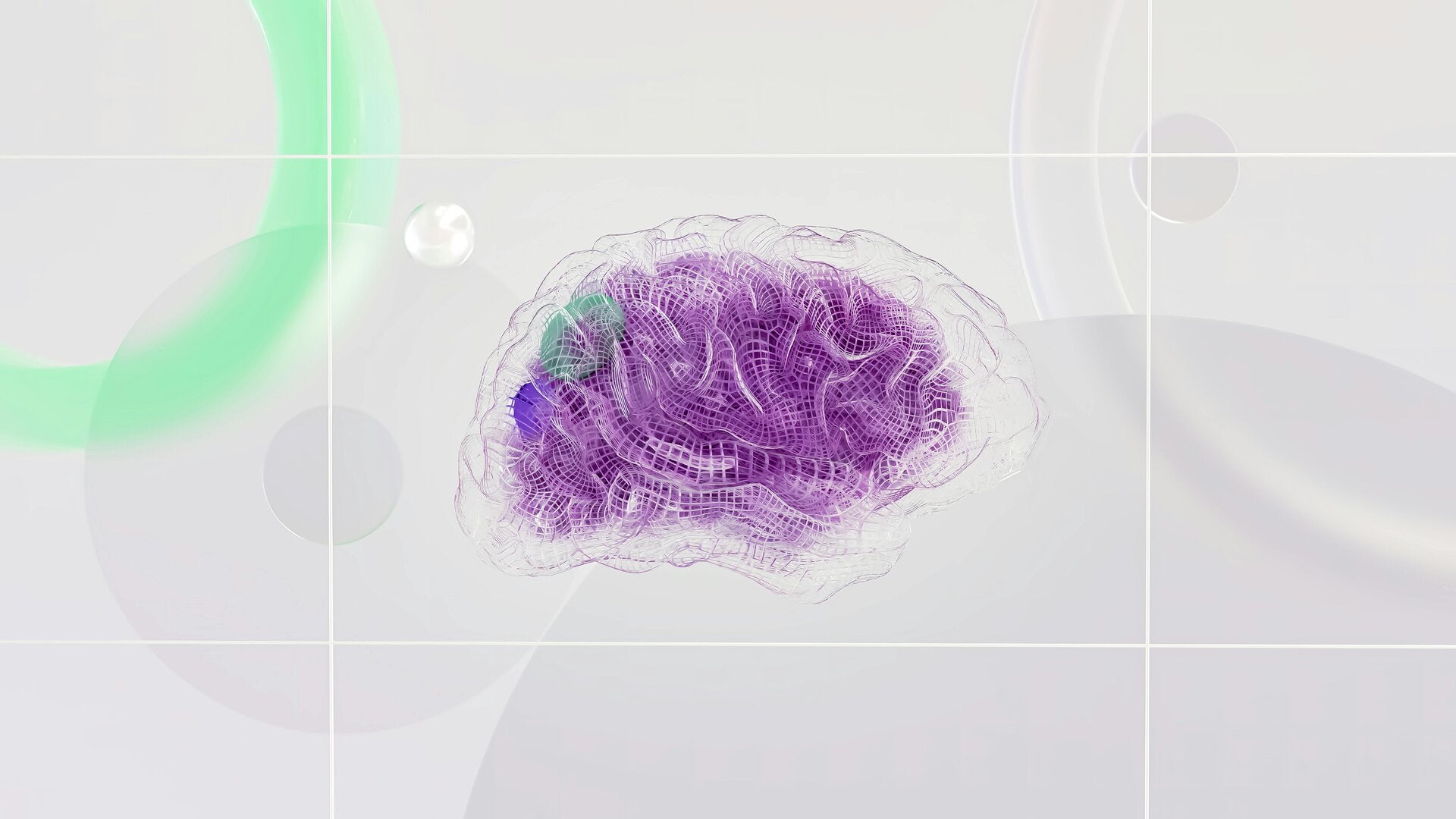
The frontal lobe: Your inner planner
The frontal lobe, located at the front of your brain, is like your personal assistant. It’s responsible for planning, decision-making, problem-solving, and personality. This is where you make choices, consider consequences, and manage your behaviour. Encouraging activities that stimulate critical thinking and creativity can help strengthen this vital area.

The parietal lobe: Sensing the world
Behind the frontal lobe lies the parietal lobe, which processes sensory information such as touch, temperature, and pain. It also helps you understand spatial relationships, allowing you to navigate your environment and understand where objects are in relation to each other. Engaging in hands-on activities and puzzles can enhance its function.
The temporal lobe: Hearing and remembering
Located near your ears, the temporal lobe is crucial for processing auditory information, understanding language, and forming memories. It plays a significant role in how you learn new information and recall past experiences. Listening to stories, music, and learning new languages are excellent ways to stimulate this part of your brain.

The occipital lobe: Seeing the world
At the very back of your brain is the occipital lobe, dedicated to processing visual information from your eyes. It interprets colours, shapes, and movements, allowing you to see and understand the world around you. Activities like drawing, reading, and observing nature can help develop your visual processing skills.

The cerebellum: Master of movement
Often called the 'little brain', the cerebellum is located at the back of your head, beneath the occipital and temporal lobes. It plays a crucial role in coordinating voluntary movements, maintaining balance, and regulating posture. Participating in sports, dancing, and even playing musical instruments can greatly benefit your cerebellum.
Nurturing your brain growth
Through RealEd, I am passionate about encouraging brain growth in younger humans. By understanding how your brain works, you can make conscious efforts to challenge yourself, learn new things, and engage in activities that promote healthy brain development. Every new experience, every question asked, and every skill learned contributes to building a stronger, more capable brain. So it's very simple: sod your car and stop being a slave to the man made construct known as money, instead get your priorities right!