

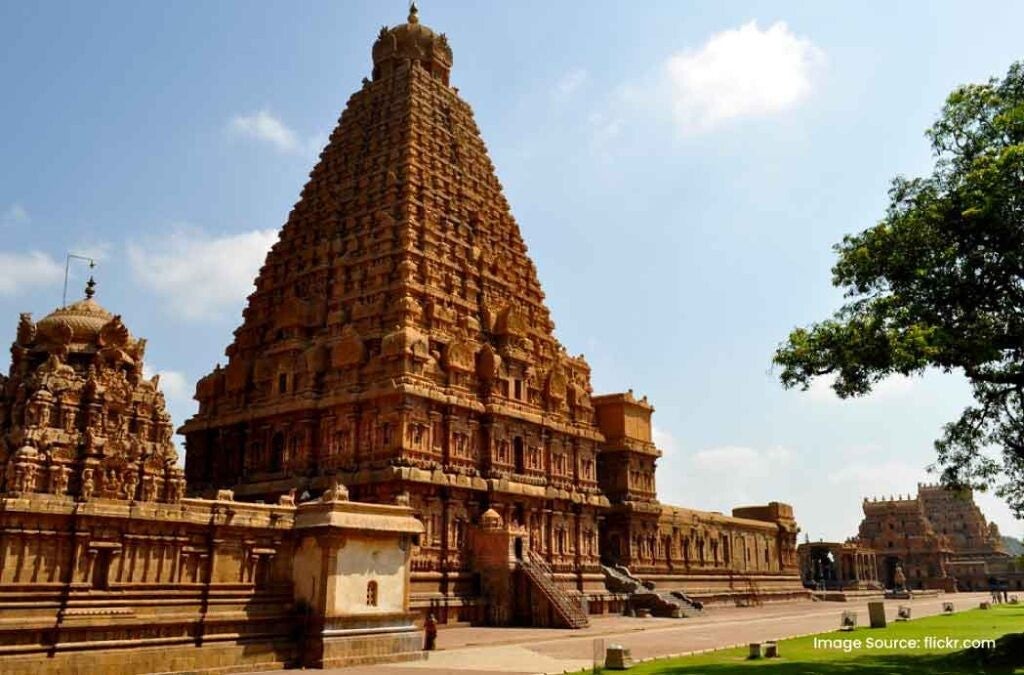
The enigma of Brihadisvara temple
Step away from textbook narratives and examine what lies carved in stone. Located in Thanjavur, India, Brihadisvara stands as a monument that challenges conventional ideas about ancient civilisations, engineering capabilities, and architectural mastery.
When was it built and what was its purpose?
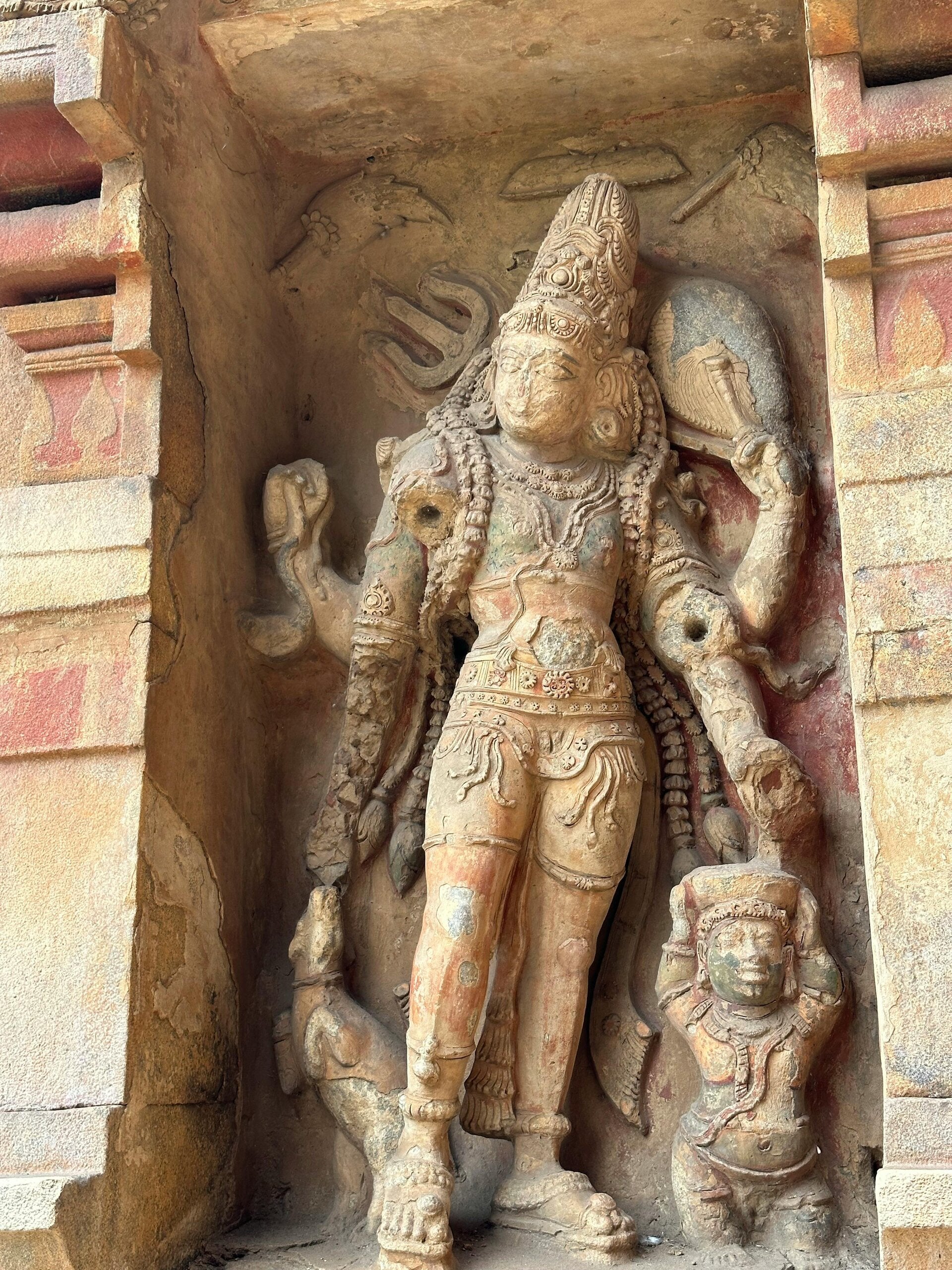
We are told that it was commissioned around 1010 CE by the Chola emperor Rajaraja 1, and ostensibly dedicated to Shiva. Yet the true scope of this structure suggests something far beyond ordinary religious practice. Built entirely from interlocking granite without binding mortar! the central vimana rises over 60 metres (over 180 feet high).
To understand real history, we must ask: how did an ancient culture quarry, transport, and assemble over 130,000 tonnes of solid granite across vast distances when no granite sources existed nearby?
Questioning the engineering narrative
At the very peak sits the Kumbam, an octagonal dome carved from a single massive block of granite weighing approximately 80 tonnes.
Standard history claims a multi-kilometre earthen ramp was built solely to roll 80 tonnne capstone, right up to the summit.
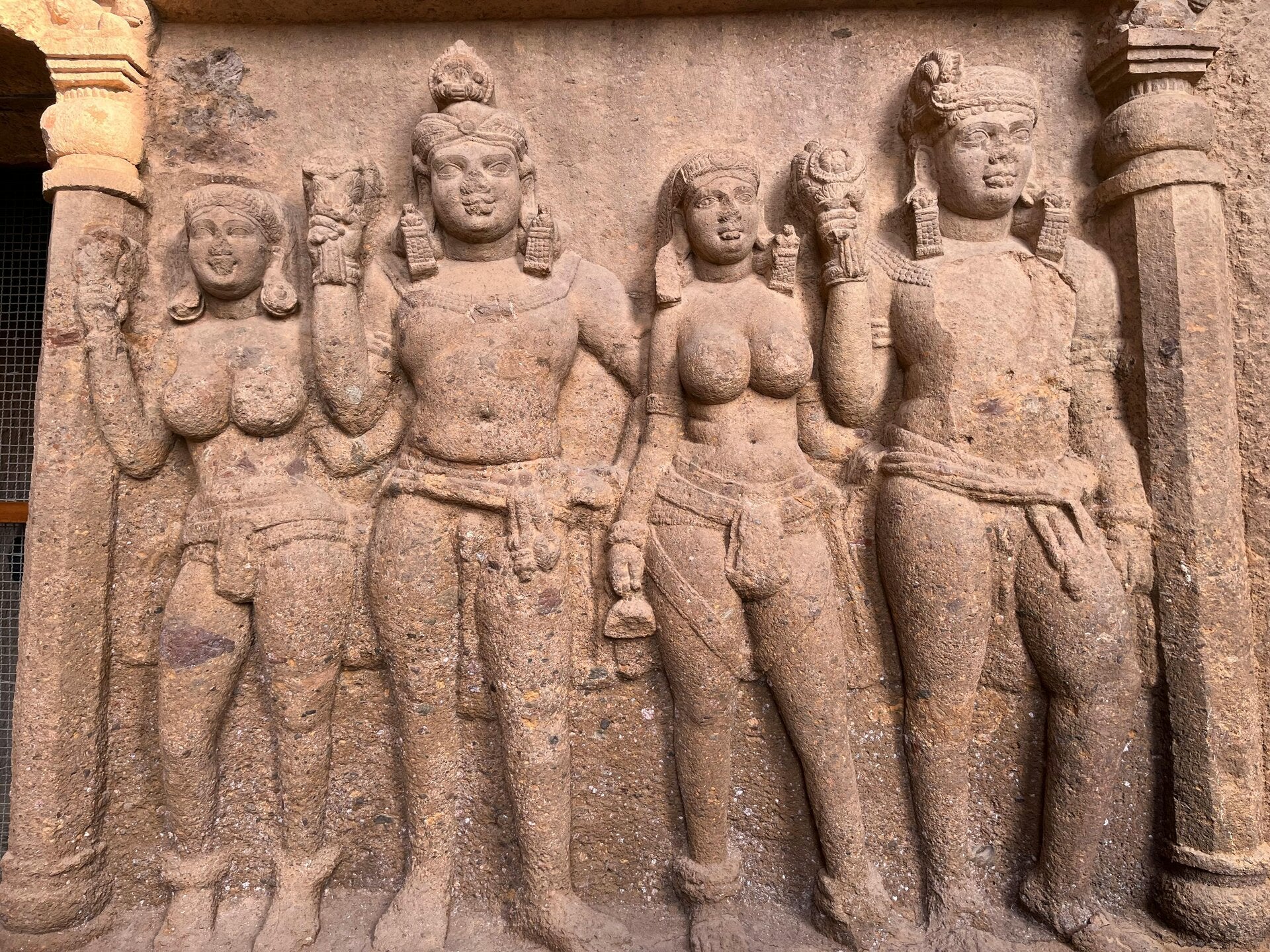
When you examine the raw geometry, acoustic perfection, and seismic resilience of this structure, frankly much deeper questions start appearing regarding the history we are taught.
Developing independent intellect means testing,, and challenging established theories against physical reality.
Expand your investigation further
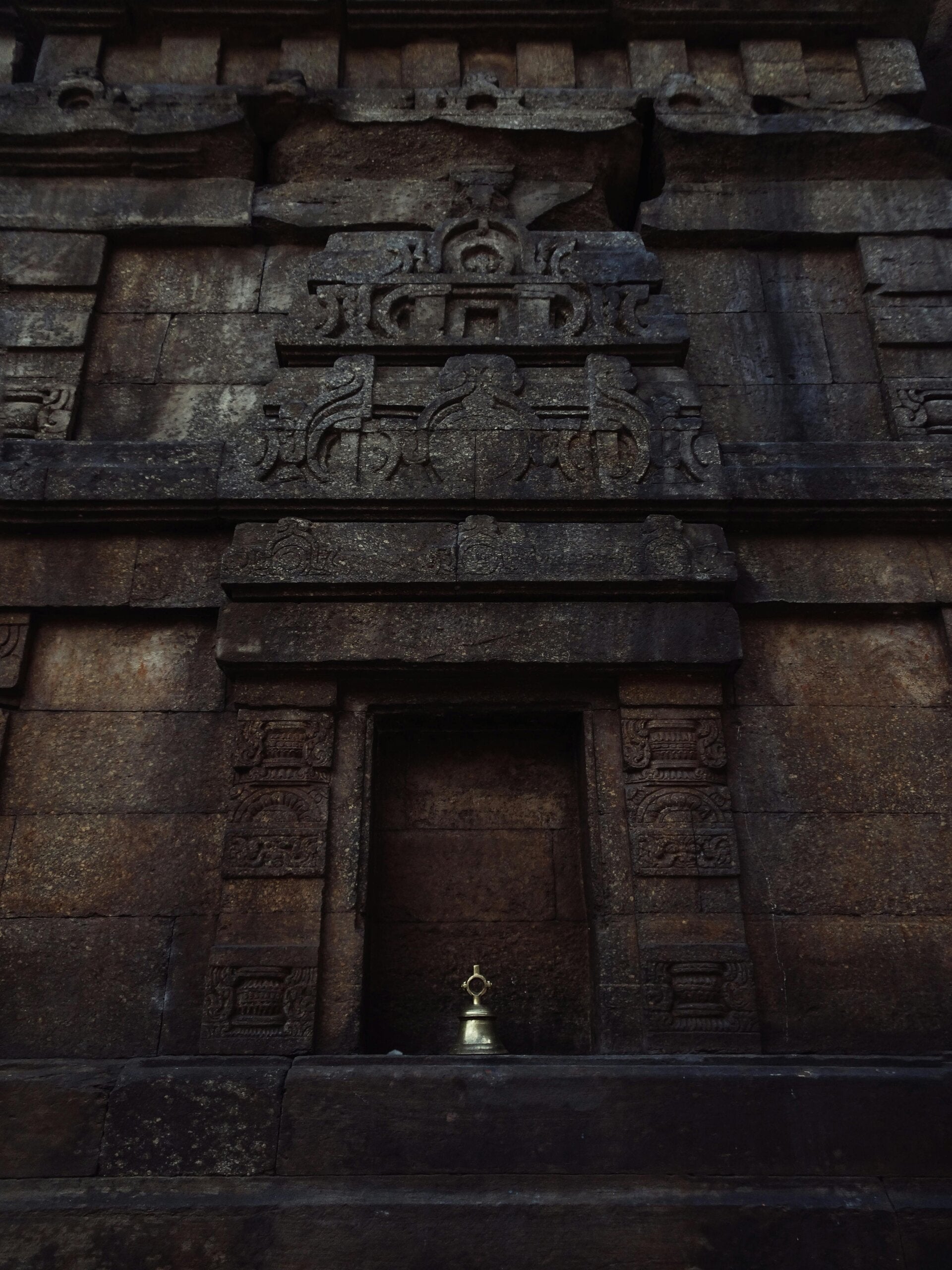
Brihadisvara is only one piece of an ancient technological puzzle. To truly test conventional historical claims and develop your own critical faculties, continue your exploration by examining the Kailasa temple—a monolithic wonder carved top-down straight out of solid volcanic rock called basalt.
I suggest that you research the facts directly, challenge assumptions, and uncover the "conveniently forgotten" engineering of our world, and who or what genuiinely created this!