

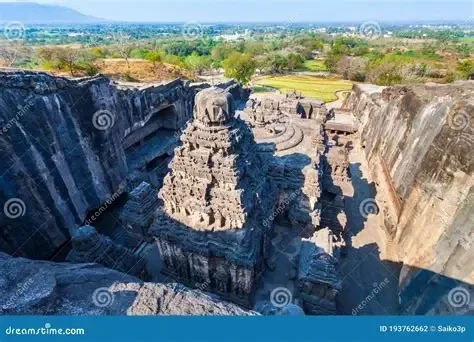
Kailasa Temple India
We are told that this totally incredible temple, was Carved from a single basalt cliff face in Ellora, Maharashtra, India.
However, to me, The Kailasa Temple stands as an absolutely astounding engineering enigma. Traditional narratives attribute this colossal monolith to eighth-century craftspeople (8th cent7ry?!?) working from top to bottom with basic nanners & chisels, Really?
Yet critical examination reveals structural mysteries, impossible timelines, and unanswered questions that challenge conventional historical accounts.
Top-down excavation of a solid mountain?
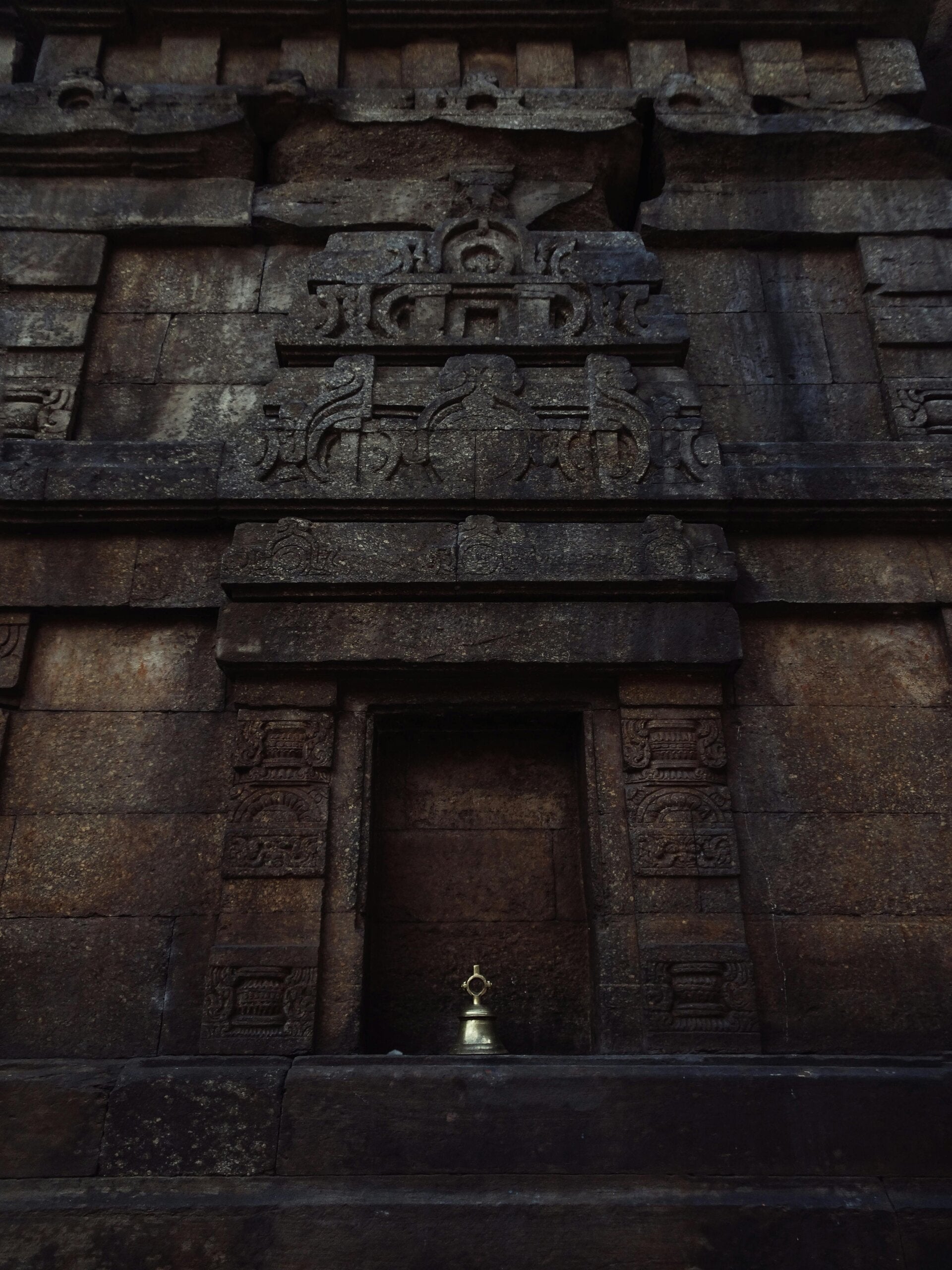
Unlike traditional architecture which is built from the foundations upwards, Cave 16 at Ellora was carved directly out of a vertical basalt mountain from the top down. Investigate Basalt, and then work out how 8th Century Craftsmen could do this, without making a single structural miscalculation; every column, shrine, and delicate relief must surely have been precisely planned within solid volcanic rock before the "waste" stone around it was cleared.
Conventional history credits the Rashtrakuta king Krishna I with commissioning it around 756–773, yet replicating such mathematical precision into solid volcanic stone without modern surveying gear leaves honest thinkers questioning the established timeline.
The riddle of the missing quarry waste
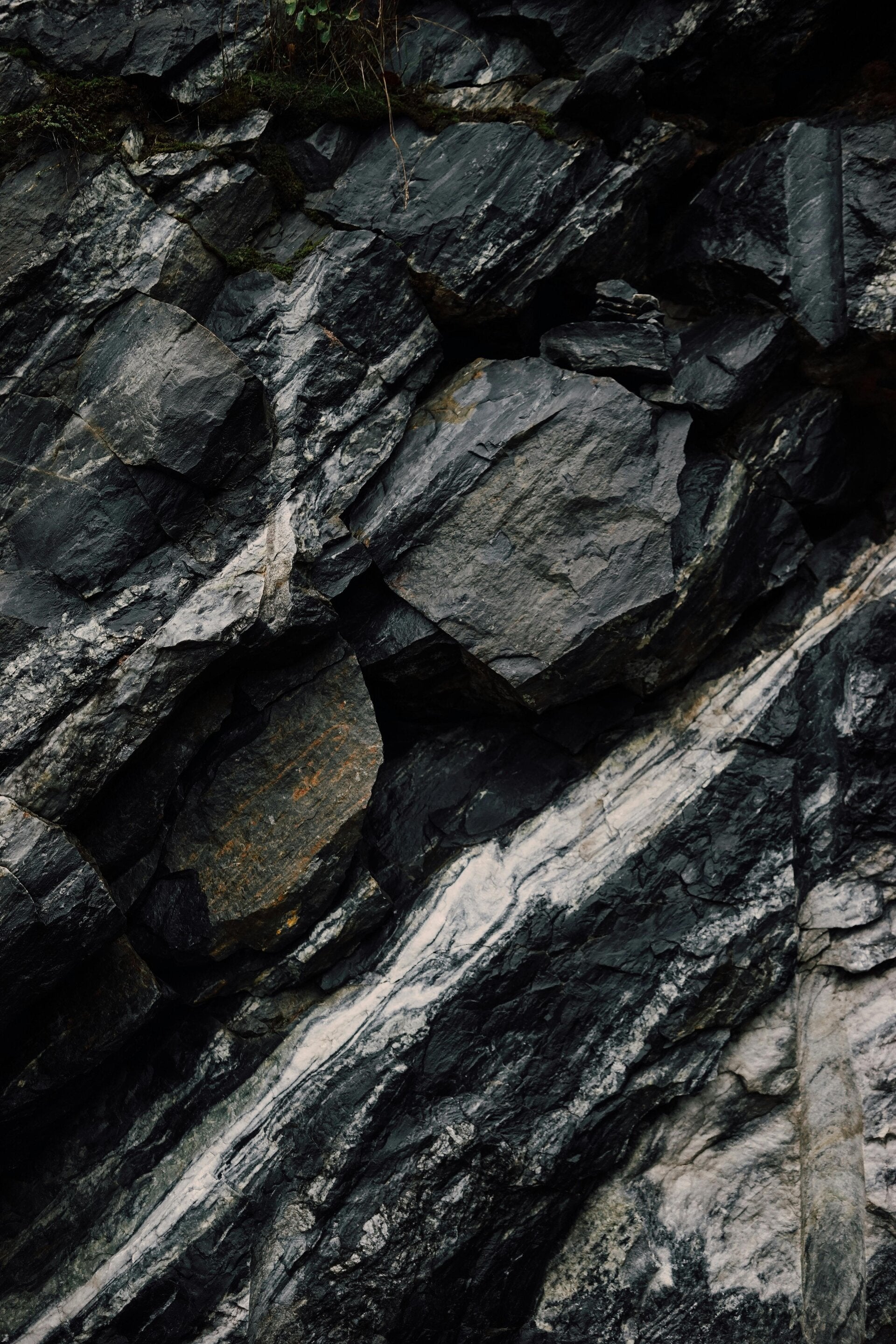
Estimates suggest that between 200,000 and 400,000 tonnes of volcanic basalt rock were removed to hollow out the immense courtyard surrounding the temple. Curiously, nowhere in the immediate vicinity or neighbouring valleys has this staggering mountain of rubble ever been located.
There are no quarry spoil tips, no stone causeways, and no debris layers matching this volume of basalt waste anywhere nearby.
So where did all that excavated rock go, and what technology was actually capable of vaporising or hauling away hundreds of thousands of tonnes of dense volcanic rock without leaving a trace 1200 years ago?
Questioning the historical narrative
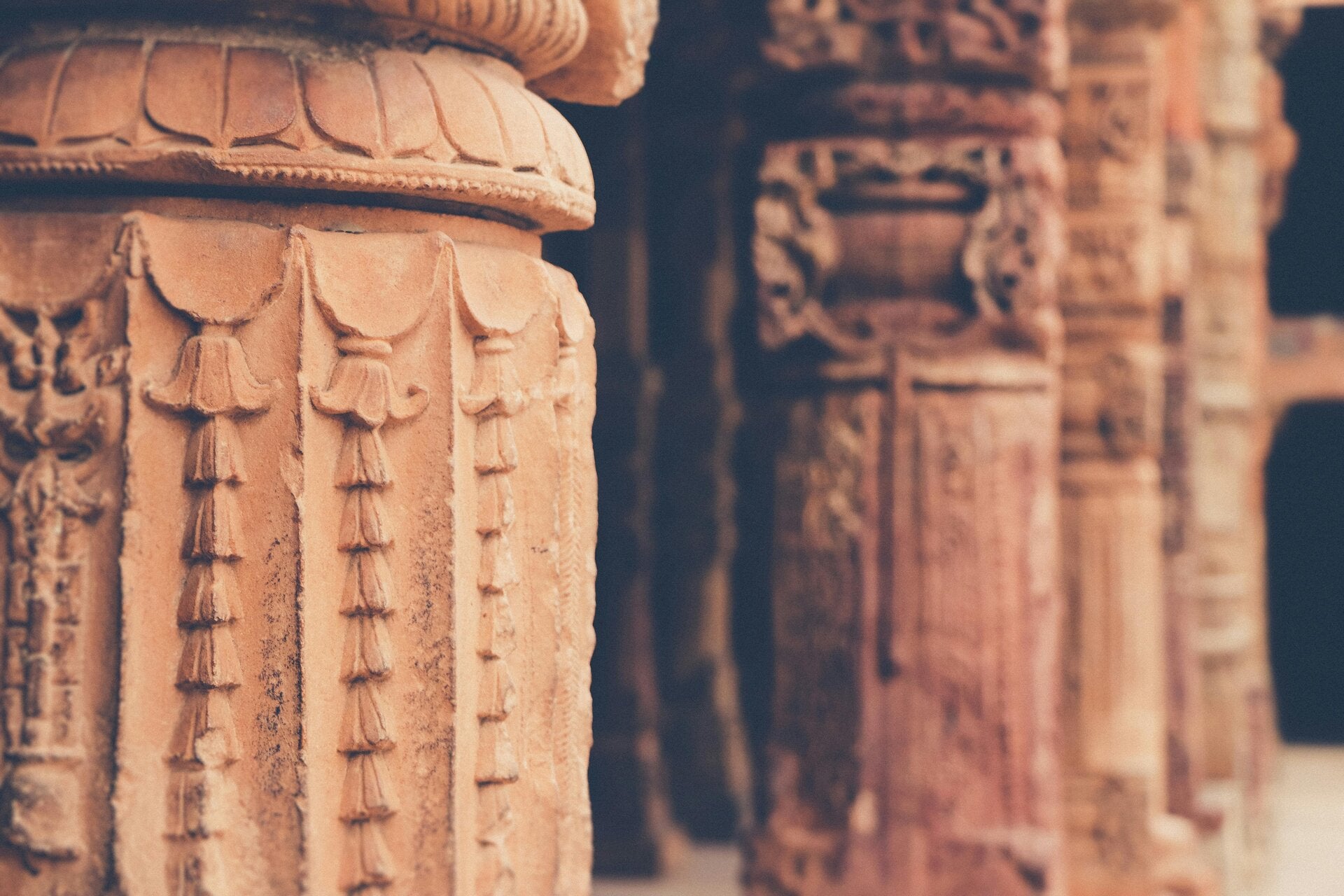
When we examine the craftsmanship, the staggering speed claimed by standard textbooks—supposedly completed in under two decades by workers with hammers & chisels 🙄, framkly, to me, that defies, even basic physics, and human biological capabilities.
Much like the pyramids, other ancient megaliths worldwide indicate an understanding of geometry, stonecraft, and energy far surpassing what mainstream curricula teach us today.
Investigating sites like the Kailasa Temple encourages learners to think independently, challenge textbook dogmas, and recognise how much of our collective ancient past has really been deliberately hidden from us!