

Pyramids 2: decoding the Great Pyramid of Giza
Traditional schooling often glosses over precision, reducing ancient engineering to mere stone stacking. By investigating the sheer scale, exacting measurements, and cardinal orientation of Giza, learners of all ages can unlock real keys to the universe. To continue exploring how these concepts connect to modern structures, learn about Digital routes.

Unrivalled cardinal precision
The Great Pyramid is aligned to true north with incredible accuracy, deviating by only a fraction of a single degree—four sixtieths of a degree (about 3/60th). This incredible feat demonstrates a deep astronomical understanding that far exceeds primitive methods, teaching learners to question mainstream narratives and develop independent spatial thinking.
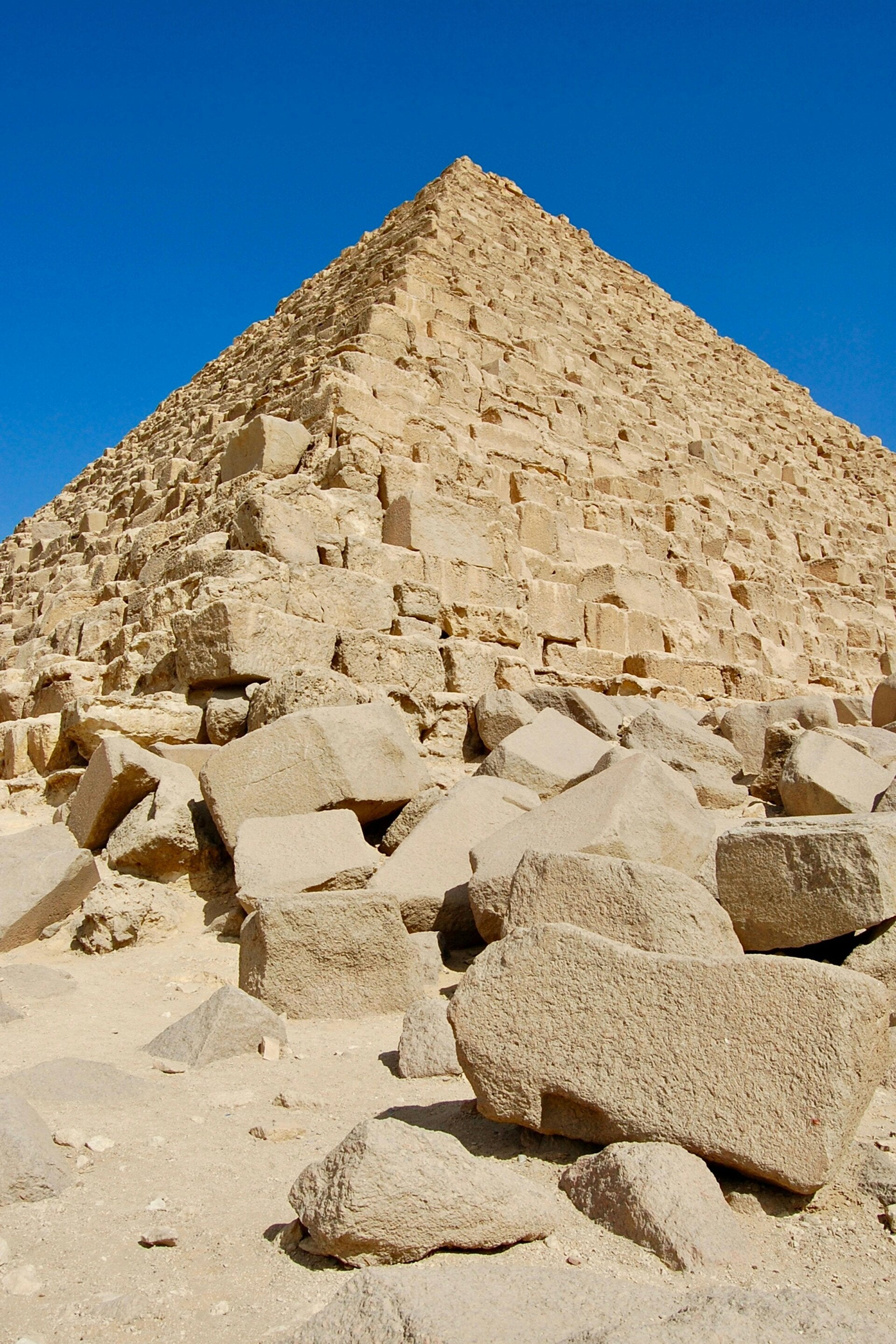
Immense scale and base dimensions
With an original estimated height of approximately 146.6 metres and each side stretching across roughly 230.3 metres at its base, the monument covers an area exceeding 13 acres. The perimeter-to-height ratio mathematically reflects the value of Pi (π) and Phi (φ), demonstrating that geometry and construction were harmonised with universal physical constants.

Unlocking keys to universal understanding
When we examine the 2.3 million megalithic stones and their alignment to cosmic bodies, we provide minds with the critical tools to think beyond conventional dogma. Exploring these mathematical facts opens the doorway to questioning everything we have been taught. Continue your investigation and expand your learning by reading My work on Digital routes.