

Click the pic
Understanding the Mohs scale of hardness
My style of education means discovering how the physical universe actually works.
Developed in 1812 by German mineralogist Friedrich Mohs, this simple yet profound ordinal scale measures scratch resistance in minerals from 1 to 10, challenging assumptions about history, geology, and construction.

From talcum power to diamond
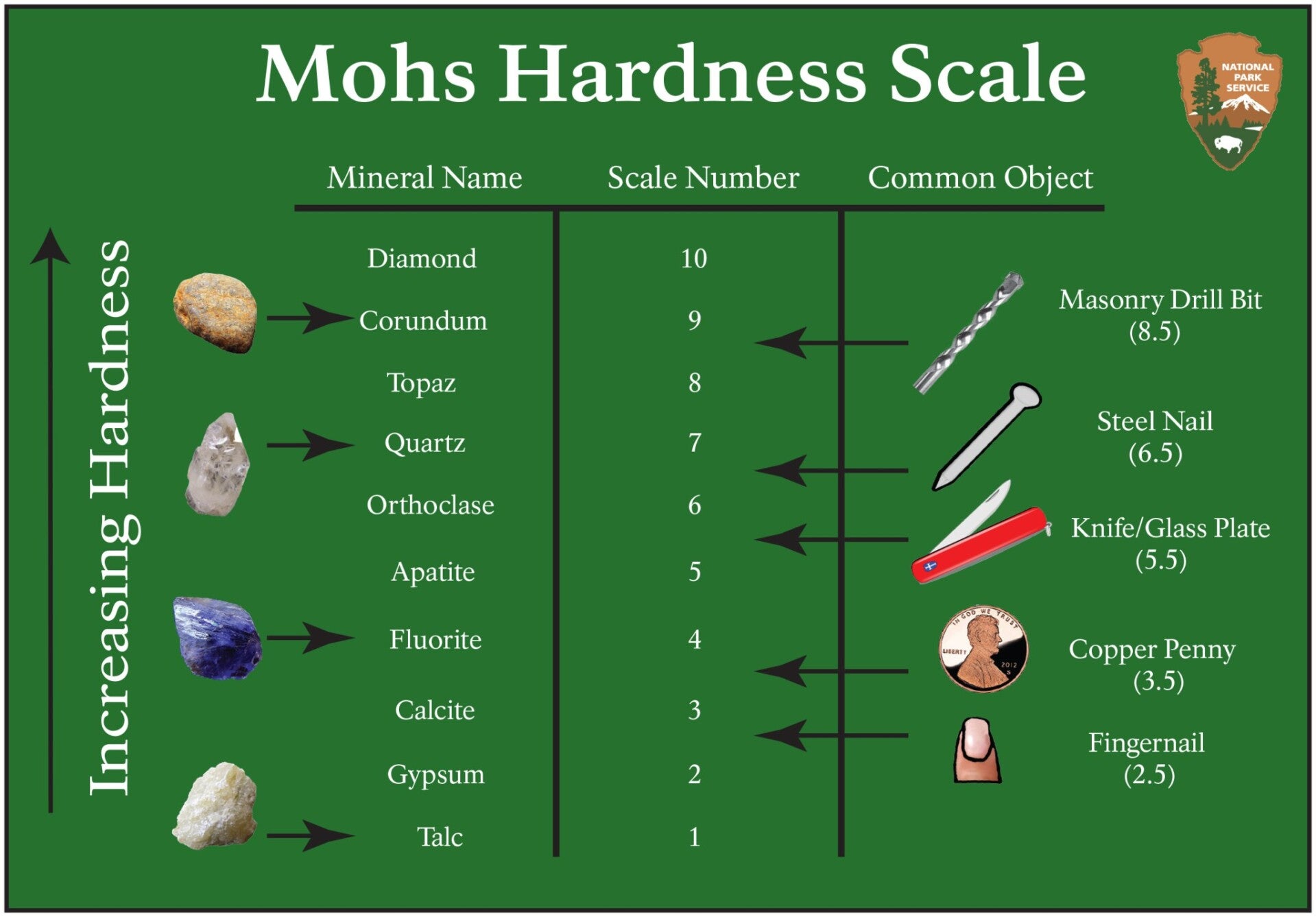
Basically, the Mohs scale ranks minerals purely on whether one can visibly scratch another.
At the base sits talc at 1 and gypsum at 2, soft enough to be carved by a fingernail.
Moving upward through calcite, fluorite, apatite, and orthoclase feldspar, we encounter quartz at 7, topaz at 8, corundum at 9, and diamond at 10. The jump between each grade is non-linear: diamond is not merely one step harder than corundum, however it is substantially harder than anything else found in nature.
Why mineral hardness matters in archaeology
When you understand the Mohs scale better, the ancient history we've been taught at school, really does become quite a mystery.
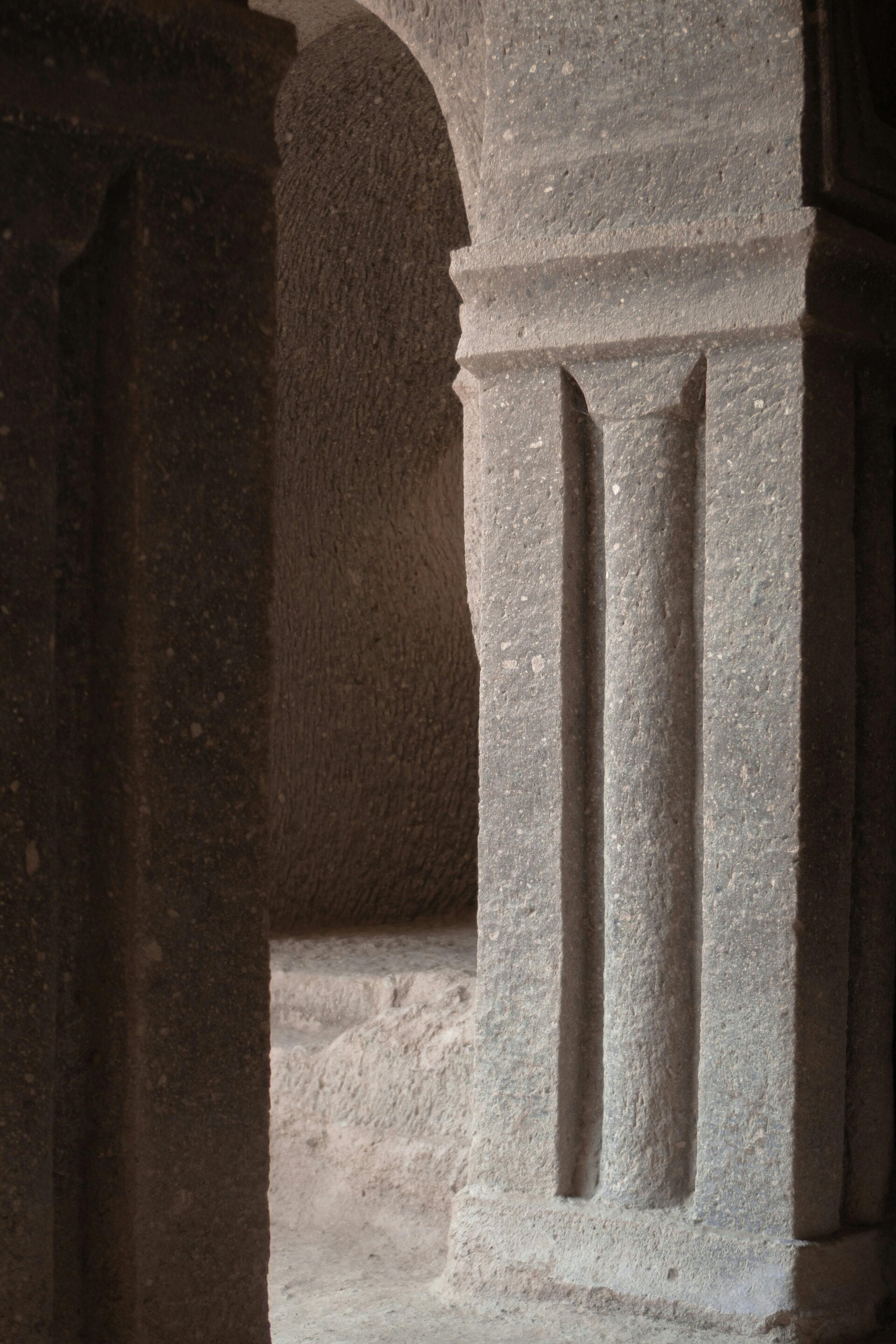
Take a look at My page about the Kailasa temple in India, where hundreds of thousands of tonnes of basalt rock (ranking around 6 on the Mohs scale) were excavated straight out of a cliff face with surgical precision.
To cut, carve, and polish minerals of significant hardness, tools of equal or greater hardness are essential. Asking how ancient builders accomplished these feats forces us to think critically rather than accept standard textbooks without question.
And of course! THE PYRAMIDS are not at all what we've been told either.
Never stop learning
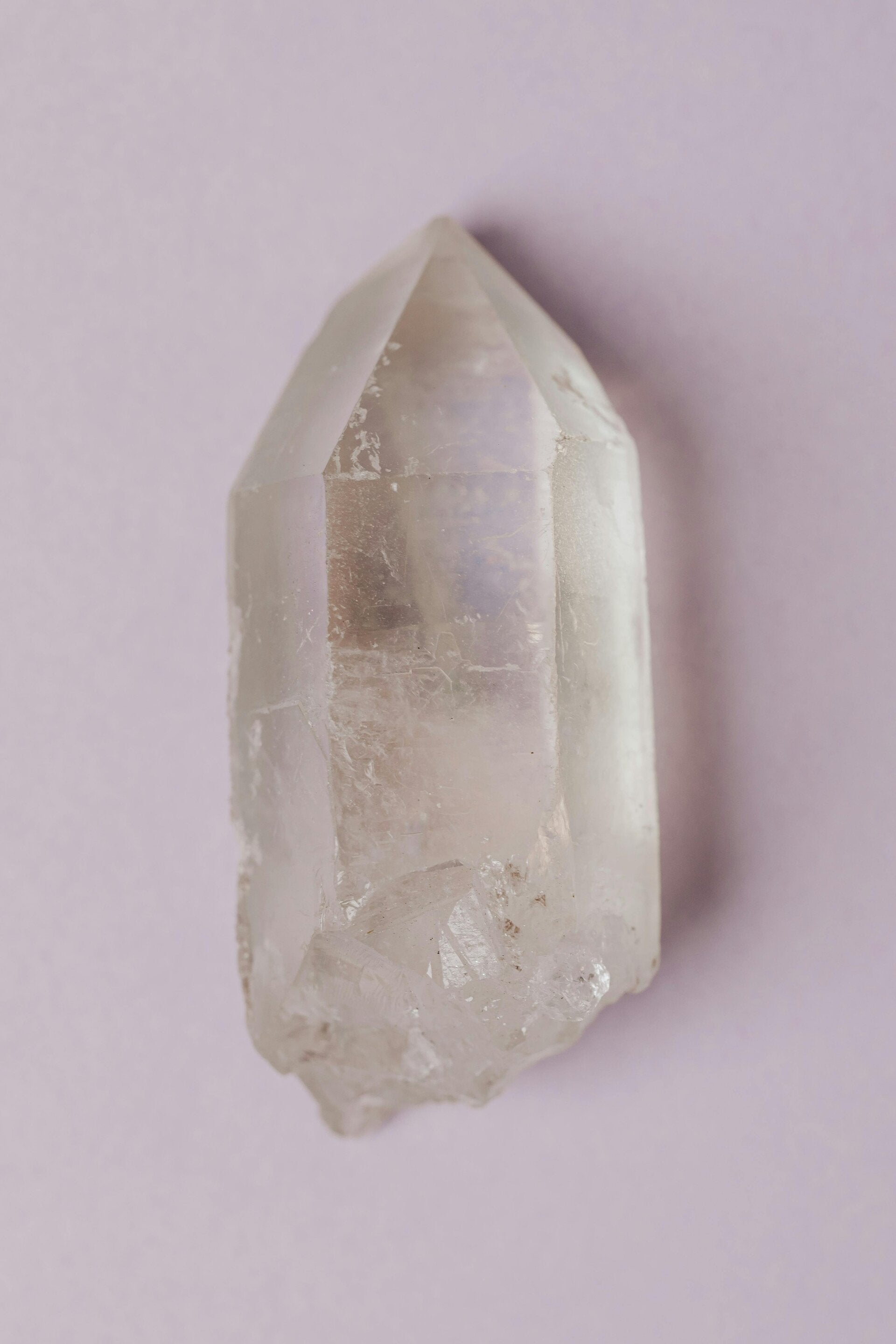
True education is about training your own mind to analyse evidence, test principles, and never stop learning. Whether examining raw quartz crystals or surveying monolithic architecture across the globe, understanding basic physical properties like mineral hardness provides the foundational lens you need to see through conventional narratives and build genuine knowledge.