

Understanding balsa wood
We believe genuine learning begins with understanding how the physical world works. Balsa wood is far more than just a light crafting supply; it is one of nature’s most fascinating materials and the ideal starting point for anyone learning about timber, material science, and the true differences between hardwoods and softwoods.
The hardwood paradox
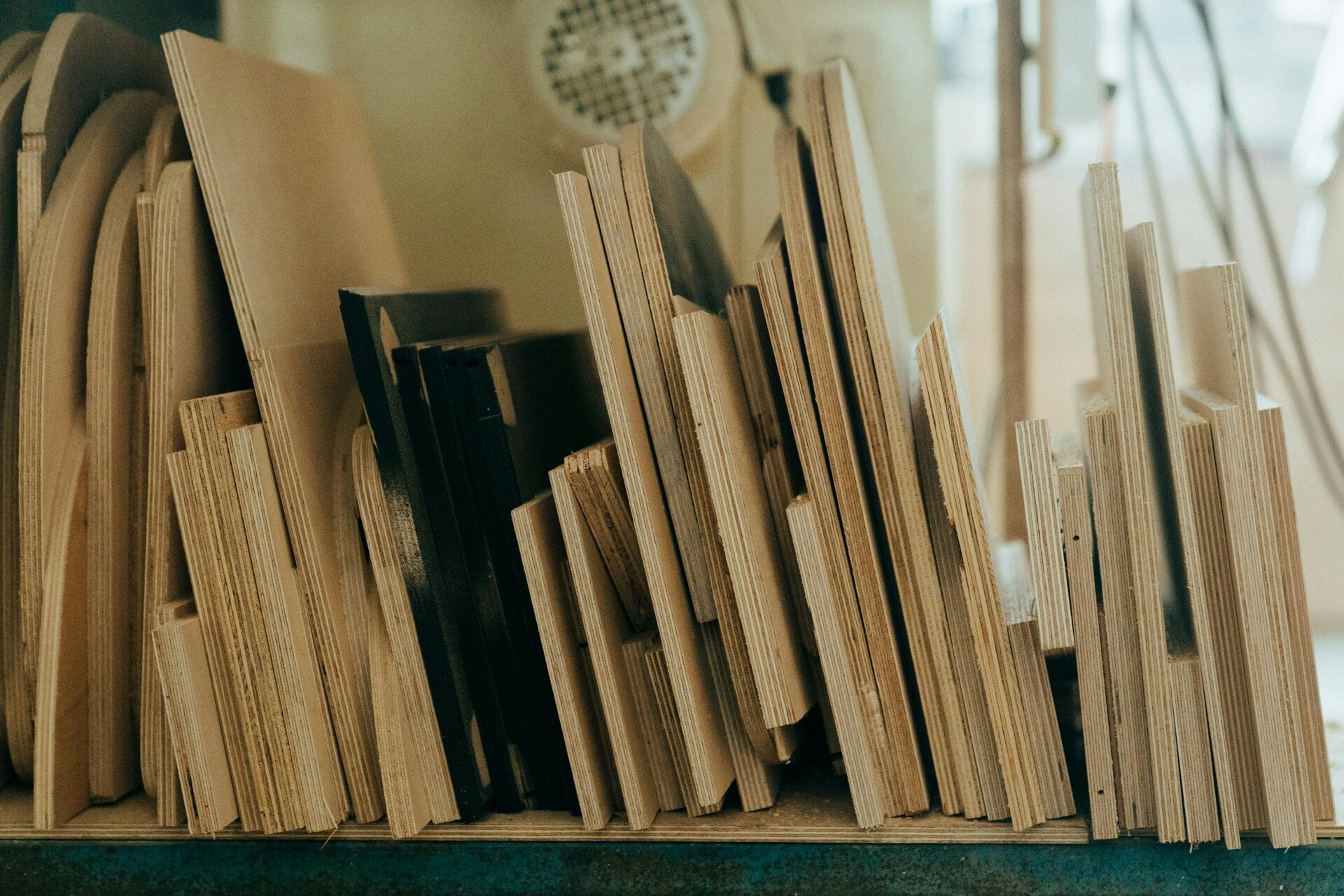
One of the most common misconceptions taught in conventional curricula is that 'hardwood' means tough and dense, while 'softwood' means light and pliable.
Botanically, balsa (Ochroma pyramidale) is scientifically classified as a hardwood because it is an angiosperm with broad leaves, rather than a cone-bearing gymnosperm like pine.
Examining balsa encourages learners to question simplistic labels and look deeper into botanical reality.
Cellular architecture and strength
When dry, balsa has an extraordinarily low density, composed largely of large, thin-walled open cells filled with air. This unique cellular structure gives it the highest strength-to-weight ratio of virtually any natural timber.
Understanding how cellulose and lignin interact within balsa helps developing minds comprehend fundamental principles of structural engineering and natural physics before they ever lay a blade to timber.

An essential material for every learner
Before rushing into prescriptive projects or kit instructions, true education begins by observing grain, resistance, tension, and weight. Balsa offers an accessible, safe, and tactile medium suitable for home educators, school students, and adult DIYers, makers alike. By handling raw timber thoughtfully, learners develop genuine spatial reasoning, tactile confidence, and independent scientific thought.