

Rechargeable fires?
Modern life relies heavily on lithium-ion cells, from our everyday handheld devices to modern electric vehicles. Yet when these power packs fail, they burn with a ferocity unlike conventional fires. Understanding the scientific mechanisms behind these persistent blazes allows us to think critically about energy storage, real-world physics, and vehicle safety.

The chemistry of thermal runaway
A rechargeable battery packs an immense amount of energy into a compact footprint. When an internal short circuit, structural impact, or manufacturing defect occurs, the separator between electrodes breaks down. This triggers thermal runaway, which is an uncontrolled chemical loop where rising temperatures accelerate exothermic reactions, generating rapid heat far faster than it can escape into the surrounding air.
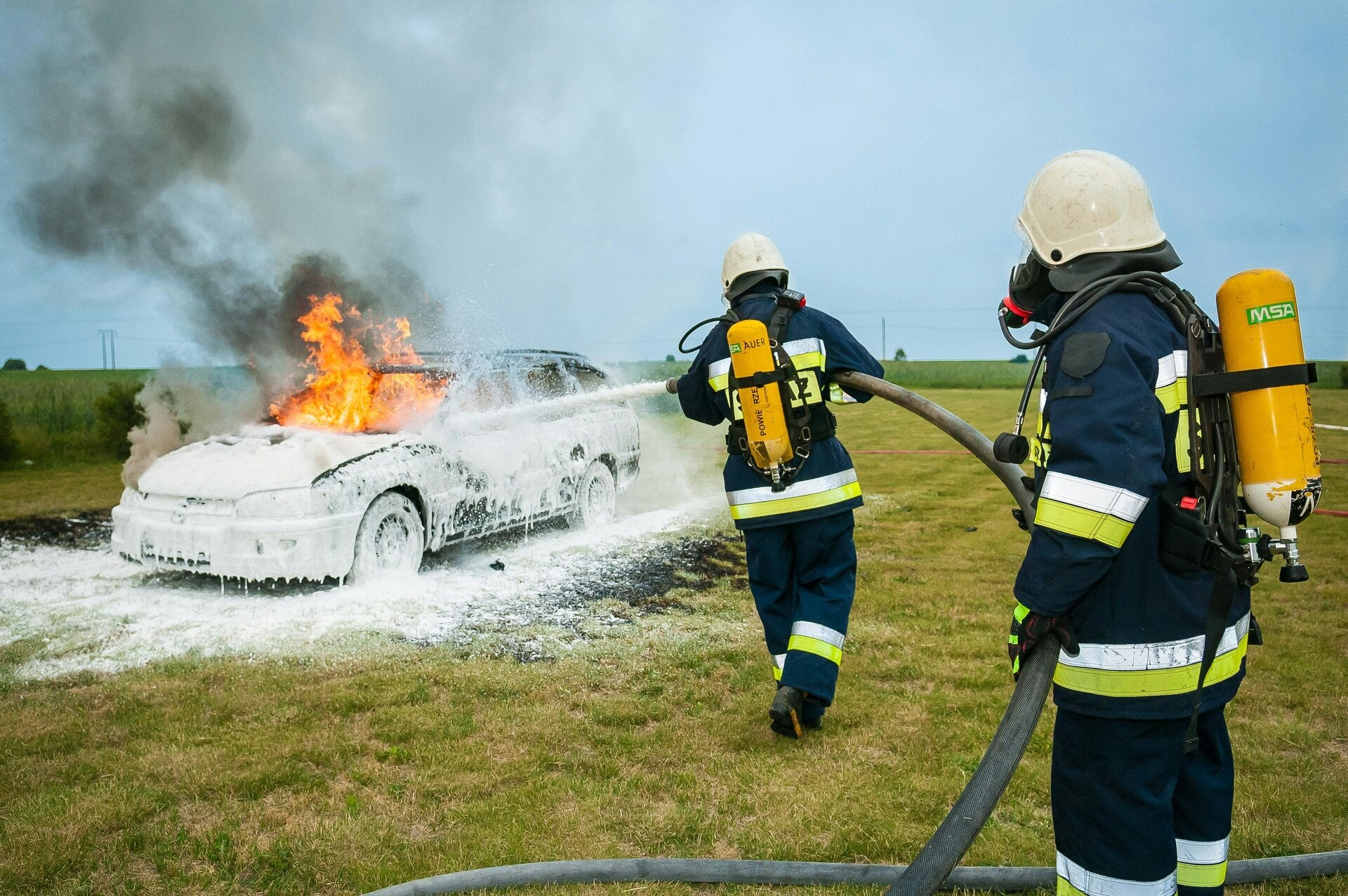
Self-oxygenation and the domino effect
Unlike a wood or petrol fire that can be snuffed out by cutting off atmospheric oxygen, lithium-ion cathodes decompose at high heat and release oxygen internally.
In an electric vehicle pack consisting of thousands of individual cells, one ignited cylinder effectively radiates heat to its neighbours.
This domino effect ignites adjacent cells consecutively over hours or even days, making extinguishing the fire extraordinarily complex, and Time consuming.
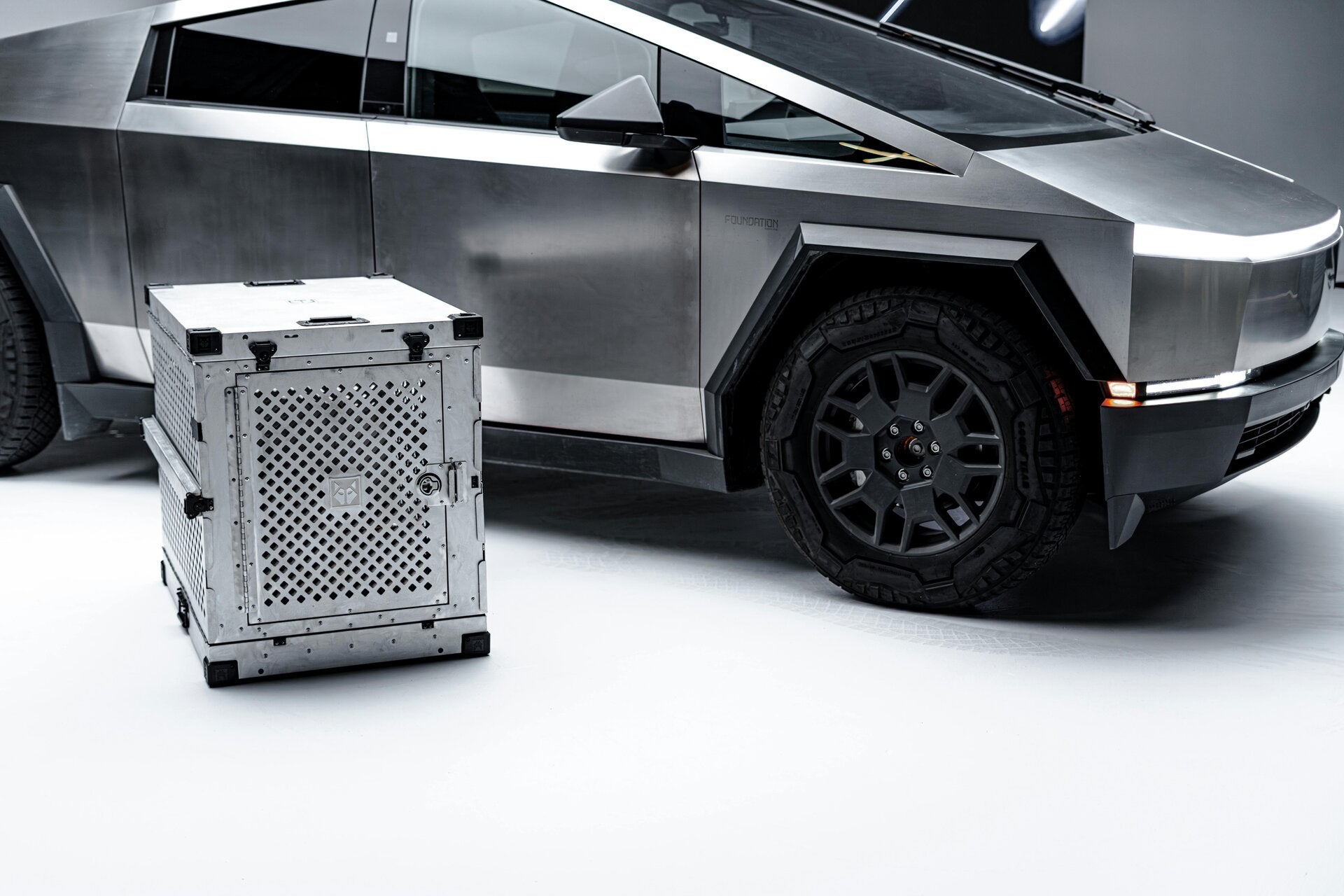
Think clearly about getting an electric vehicle
Education should empower us to ask tough questions and examine reality beyond promotional headlines.
Understanding how EV battery packs behave under stressful conditions, why emergency crews require thousands of gallons of water to control reignition, and what toxic vapours are produced encourages genuine discernment.
In My opinion, true learning means weighing genuine technological risks alongside everyday convenience. Plus of course we must also consider other common RECHARGABLES.