Big Ben: Unveiling London's iconic landmark
Step into the history and grandeur of one of the United Kingdom's most famous symbols, Big Ben. This page explores its origins, hidden stories, and the surprising facts that make it more than just a clock tower.
When was the clock tower built?
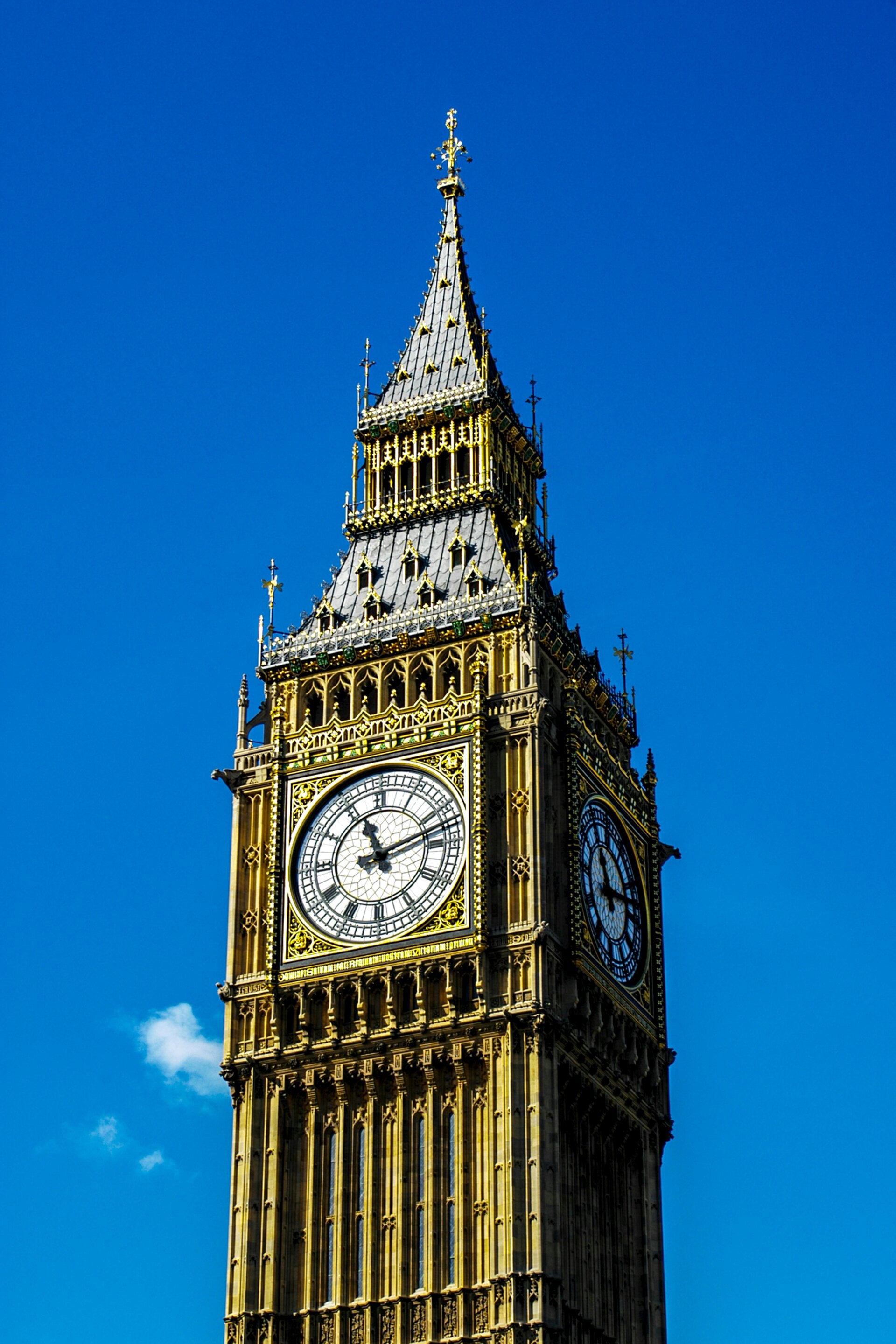
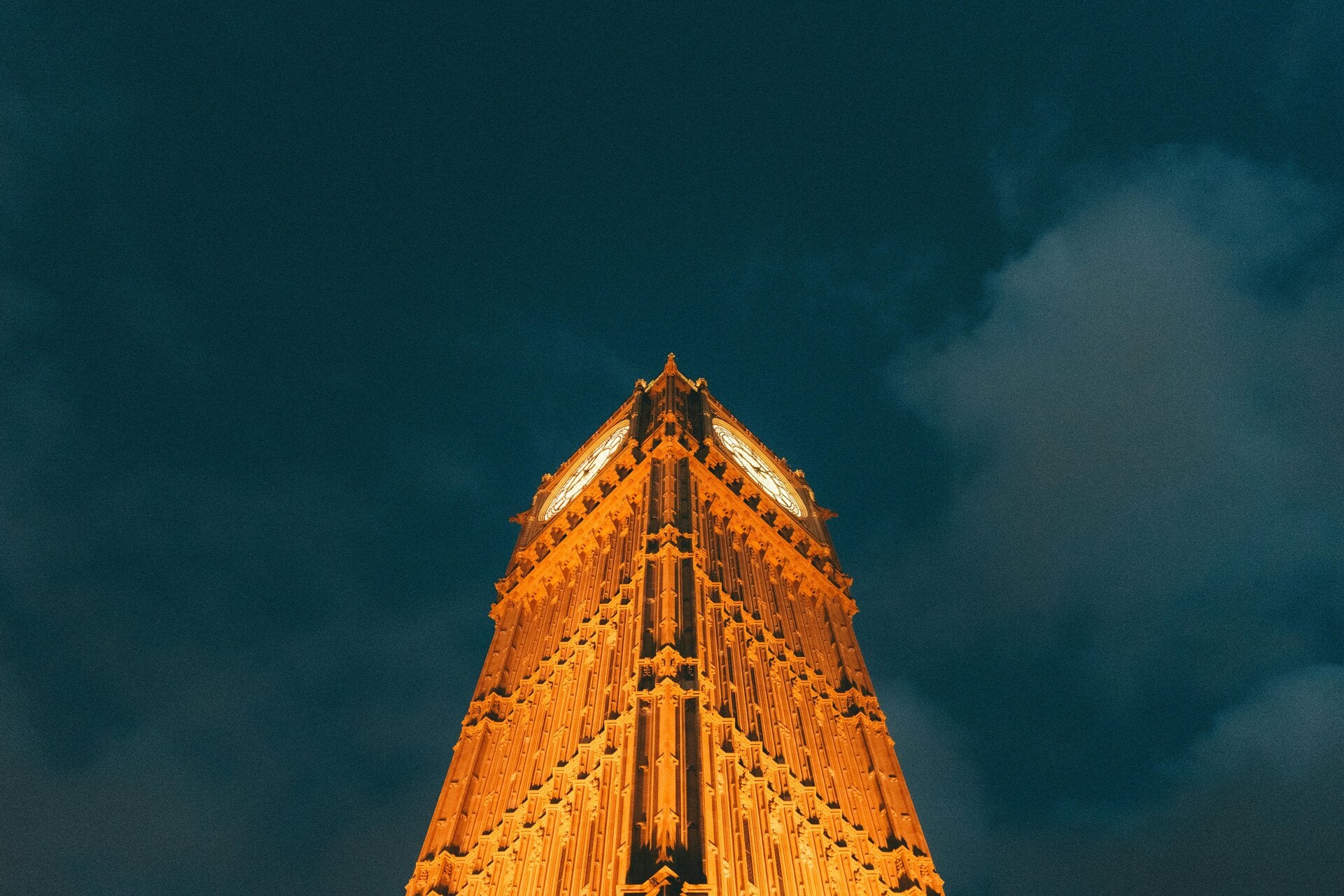
The Elizabeth Tower, commonly known as Big Ben, is an enduring symbol of British heritage. Its construction began in 1843, with the Great Clock starting on 31 May 1859. The iconic bell, Big Ben itself, first chimed on 11 July 1859. Designed by Augustus Pugin in a Gothic Revival style, it replaced the old Palace of Westminster which was destroyed by fire in 1834. This monumental project involved countless skilled craftsmen and engineers, culminating in the magnificent structure we see today. For more fascinating insights into historical architecture, consider visiting our page on Alexandria, the Library.
The mystery of the clock face colours
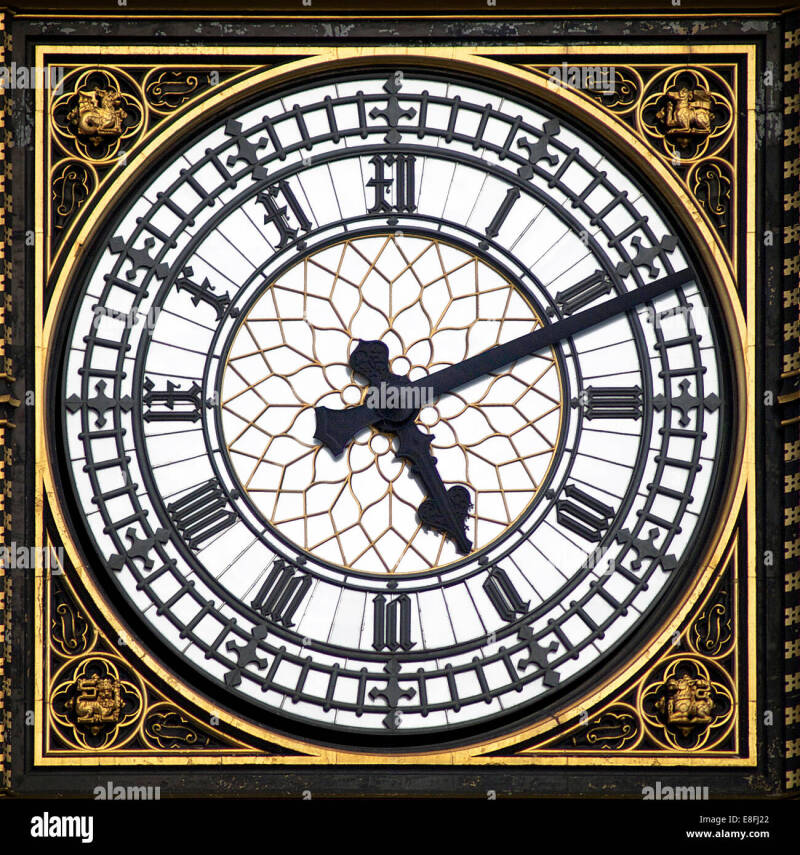
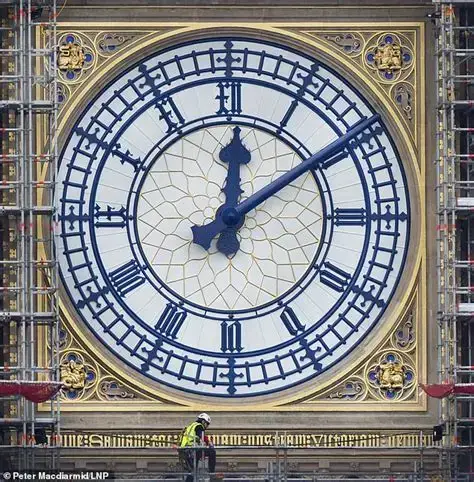
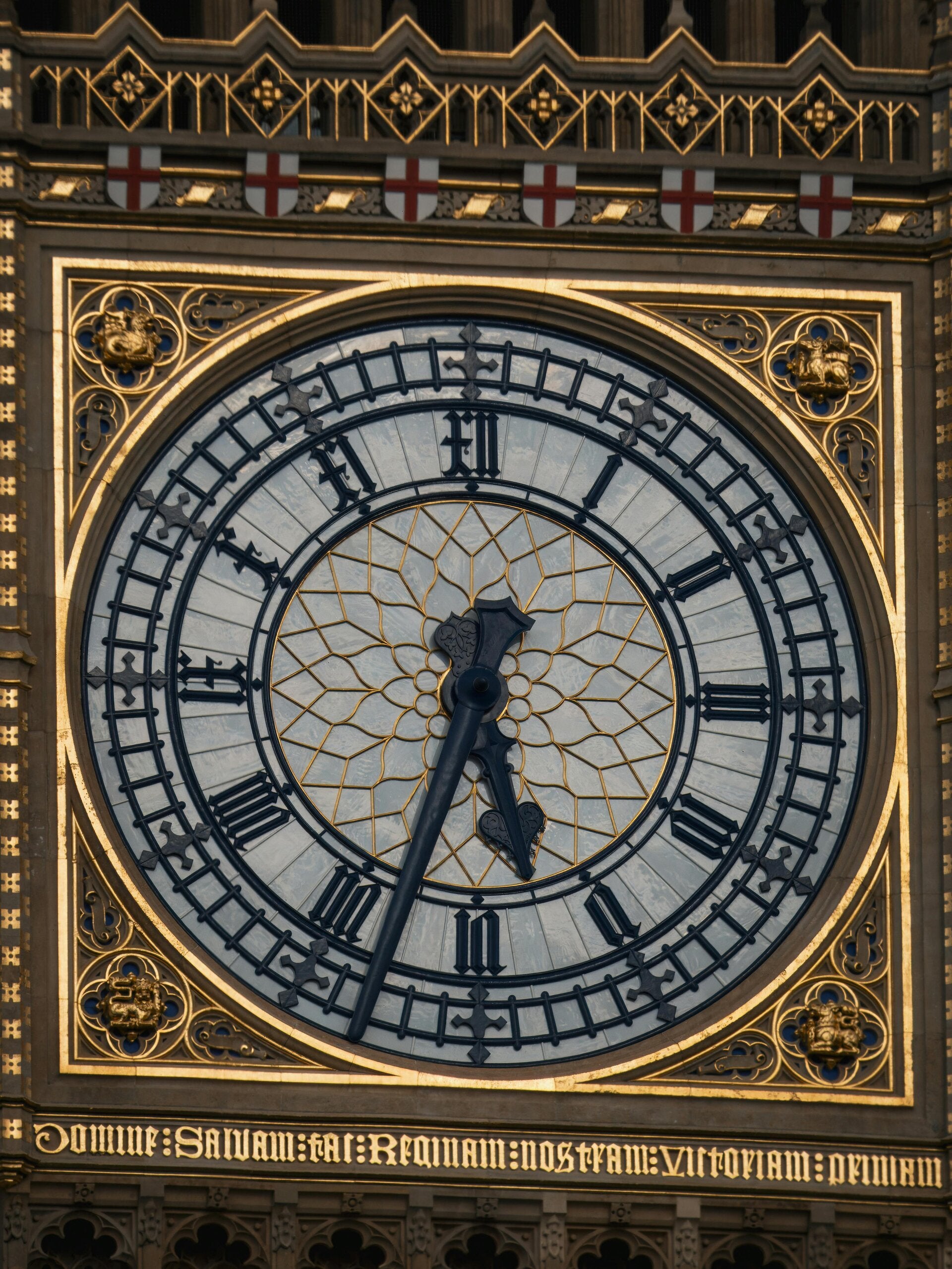
During the COVID-19 lockdowns, many noticed a change in the illumination of Big Ben's clock faces. Suddenly the typical black hands against a white background, were "found to be blue originally" so they were repainted to honour that 🤔 We're told that this was part of wider efforts to highlight key workers and national unity. However I personally don't think so, surely a genuine case of correctly restoring a globally recognised structure such as this, would be globally celebrated, and appreciated, so why was it done secretly, and quietly, during times where few would see it?
with a long history as a Heritage Specialist, I personally understand how these symbolic gestures can help us appreciate the deeper messages embedded in our national landmarks. However, not here. To explore other intriguing societal influences, delve into my articles on Mind control or The Mandela Effect.
Beyond the chimes: A call to deeper understanding
Big Ben stands not just as a timekeeper, but as a silent witness to centuries of British history and societal shifts. Its presence prompts us to look beyond the obvious and question the narratives presented to us. Understanding its construction, its symbolic role, and even the subtle changes in its appearance encourages a more critical and informed perspective. We invite you to continue this journey of critical thinking. For further exploration into societal influences and historical contexts, I recommend researching the influence of Jews, and most importantly the false Jews who call themselves Zionists in the UK. Their flag colours may well provide a broader perspective on the diverse contributions to British society and history. Further insights into history and global events can be found on our pages such as Chairman Mao.