

The forgotten civilisation of Zagros
Conventional schooling tends to present a rigid, oversimplified narrative of human history. Yet in the foothills and mountains bordering modern-day Iraq and Iran, archaeological revelations continually challenge standard timelines. In 2001, some unexpected & catastrophic flooding displaced sediments across ancient river valleys, exposing some lost structures, and relics emerged, along with a tablet pointing to complex early societies long erased from standard textbooks. Explore the genuine mysteries that standard curricula overlook.
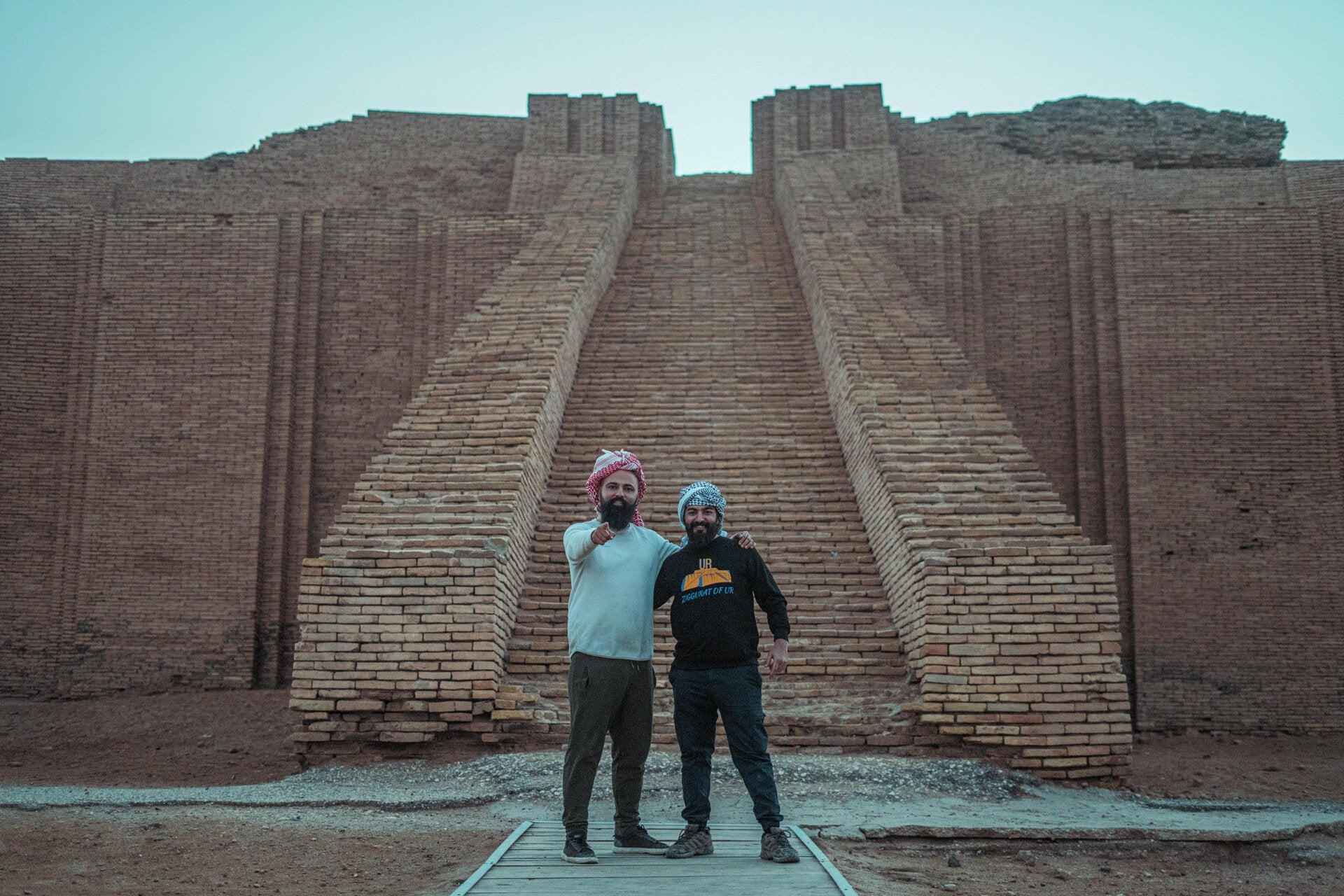
Unearthing what waters concealed
Following immense floods and subsequent shifts in water reservoirs across ancient Mesopotamian territory, receding waters unveiled megalithic foundations, forgotten brickwork, and intricate stone carvings.
Rather than a desolate fringe, the Zagros boundary appears to have nurtured sophisticated settlements far earlier than standard chronologies admit.
These discoveries expose how dynamic climate events can alter our historical record overnight.

Knowledge you don't find in classrooms
Traditional education often conditions pupils to sumply accept standardised timelines without questioning the archaeological anomalies that contradict them.
From cuneiform archive fragments to advanced masonry along mountain flanks, the Zagros finds challenge the idea that complex civilisations began solely within narrow textbook dates.
I believe that learning to critically assess real primary evidence is the foundation of genuine independent thinking.
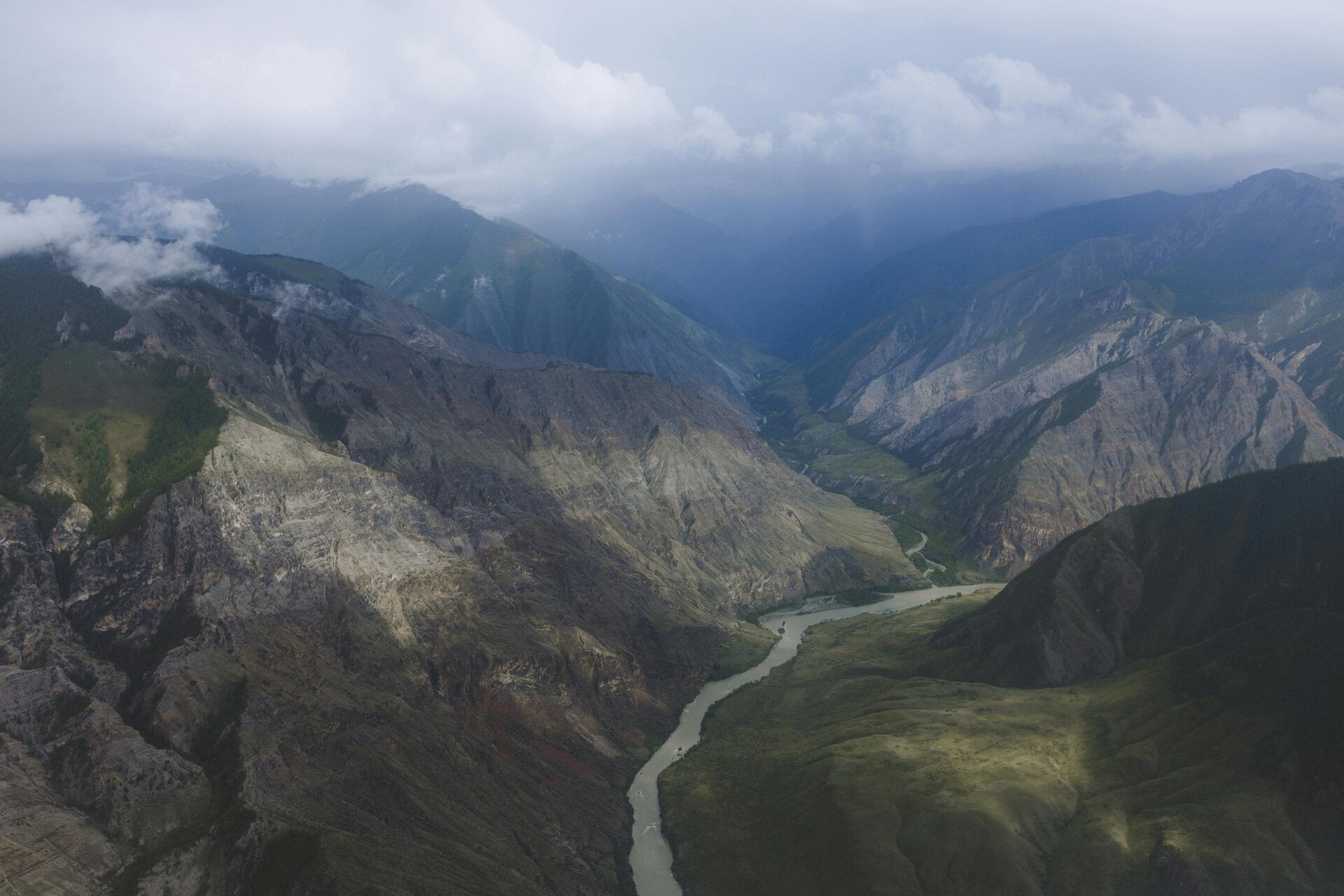
Was this the real cradle of civilisation?
I believe that understanding humanity's true origins better requires us to look beyond pre-packaged curricula, and instead conduct personal research into Middle Eastern archaeology, rather than just simply accept what we're told about Africa.
The valleys between the Tigris and the Zagros range hold thousands of untouched mounds and uncatalogued ruins.
By questioning the history we're told, and exploring alternative documentation, I feel that we can uncover more truths about the resilient cultures that built our world.
See what you think.