

The Moon
Have you ever wondered why we always see the exact same face of the Moon from Earth? I thought I'd ask A I, as that's the latest indoctrination machine. So sit back, have a read, and learn to use your own brain instead of just believing, or as I put it: assuming.
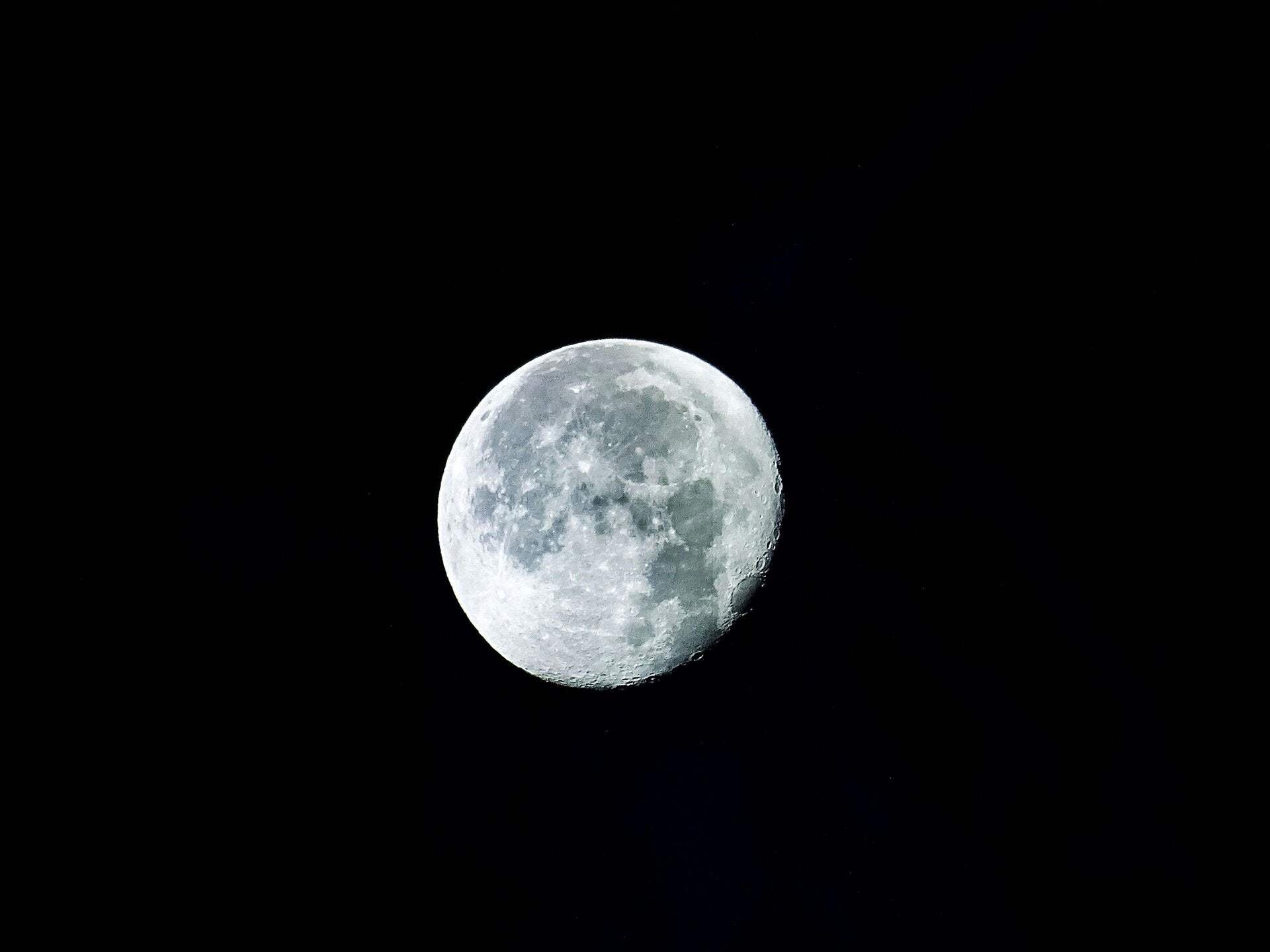
Tidal locking and the familiar face
Earth's natural satellite takes precisely the same amount of time to rotate once on its own axis as it does to complete one orbit around us. This phenomenon, known as tidal locking or synchronous rotation, means that humanity has looked up at the very same lunar features throughout all of recorded history.
However, Once you research and compare the dimensions of the two planets, plus their rotational speeds, you might just think 🤔
In the meantime, why not enjoy the rest of what A I has plagiarised for this page:

The invisible pull on earthly life
The Moon is far more than a visual spectacle in our night sky. Its gravitational pull powers ocean tides, stabilises Earth's axial tilt, and helps maintain the stable climate rhythms essential for human civilisation and nature to thrive.

Understanding the wider universe
True education is not about rote memorisation; it is about learning how to observe our environment critically. By studying the celestial forces governing the Moon, learners connect cosmic movement directly to daily existence and develop an inquisitive, independent mindset.